


Emerald is a popular green gemstone used in jewellery and astrology. When buying this stone, people usually come across two options: natural emeralds and lab created emeralds. Both look very similar, which often creates confusion for buyers.
Natural emeralds form inside the earth over a long period of time, while lab created emeralds are produced in laboratories using modern technology. Understanding lab created emerald vs natural emerald helps buyers choose the right stone based on their needs, price, and purpose.
In this blog, we will explain natural vs lab created emeralds, their formation, main differences, and simple ways to identify a real emerald stone.
What is Lab Created Emerald?
A lab created emerald is a gemstone that is made in a laboratory using scientific methods. It has the same chemical composition and similar appearance as a natural emerald. Many people also call it a lab grown emerald or synthetic emerald.
These stones are created to copy the color and structure of natural emeralds. Because they are produced in controlled environments, lab created emeralds usually look clearer and have fewer inclusions than natural stones. This is one reason why many buyers choose them for jewelry.
Lab emeralds are also more affordable compared to natural emeralds. When people compare lab created emerald vs natural emerald, price and availability are two major factors that make lab grown stones popular in the market.
How are Lab Emeralds Created?
Lab created emeralds are produced in laboratories using advanced technology that copies the natural conditions in which emeralds form. Scientists use minerals like beryllium, aluminum, and silica, along with high temperature and pressure, to grow the crystal.
Two common methods are used to create lab emeralds. The hydrothermal method grows emerald crystals in a water-based solution under high pressure. Another method is the flux growth process, where minerals melt and slowly form emerald crystals as they cool.
Both methods take several weeks or months to produce a gemstone that looks similar to a natural emerald. This process is why many buyers find it difficult to tell the difference between lab grown vs natural emeralds just by looking at them.
Advantages of Lab Created Emeralds
Lab created emeralds have become popular because they offer many practical benefits. Many buyers choose them when they want the look of an emerald without paying the high price of a natural stone.
1. More Affordable Price
Lab grown emeralds usually cost much less than natural emeralds. Natural emeralds are rare and take millions of years to form, which increases their value. Lab created stones are produced in laboratories, so the production cost is lower. Because of this, buyers can get a larger or better-looking stone at a lower price.
2. Better Clarity and Appearance
Natural emeralds often contain inclusions, which are small marks or internal patterns inside the stone. These inclusions are part of natural formation. Lab created emeralds are produced in controlled conditions, so they usually have fewer inclusions. This makes the stone look cleaner and more attractive.
3. Easy Availability
Natural emeralds are limited in supply because they are mined from the earth. Lab created emeralds can be produced whenever needed. This makes them easier to find in different shapes, sizes, and qualities. Jewelry designers often prefer lab stones because they are more consistent in color and clarity.
4. Environment-Friendly Option
Mining natural gemstones requires digging and large-scale extraction from the earth. This process can affect the environment. Lab created emeralds are produced in laboratories, so they reduce the need for mining. Many buyers prefer them as an eco-friendly alternative.
Disadvantages of Lab-Created Emeralds
Even though lab emeralds offer several benefits, they also have some drawbacks that buyers should know before making a purchase.
1. Lower Market Value
Natural gemstones usually hold higher value in the market. Lab created emeralds do not have the same demand among collectors and gemstone investors. Their resale value is generally lower compared to natural emeralds.
2. Lack of Natural Rarity
Natural emeralds form deep inside the earth over millions of years. This natural formation makes every stone unique. Lab created emeralds are made in laboratories, so they do not carry the same rarity or natural history.
3. Not Preferred for Astrology
In Vedic astrology, natural gemstones are considered more powerful. Many astrologers recommend natural emeralds for planetary benefits. Lab created emeralds are usually not suggested for astrological use.
4. Perception Among Buyers
Some buyers prefer natural gemstones because they value authenticity and rarity. Even though lab grown emeralds look similar, some people feel that they do not have the same prestige as natural stones.
What is Natural Emerald?
A natural emerald is a green gemstone that forms naturally inside the earth over millions of years. It belongs to the beryl mineral family and gets its green color from small amounts of chromium and vanadium present during its formation. Natural emeralds are highly valued because of their rarity and natural origin.
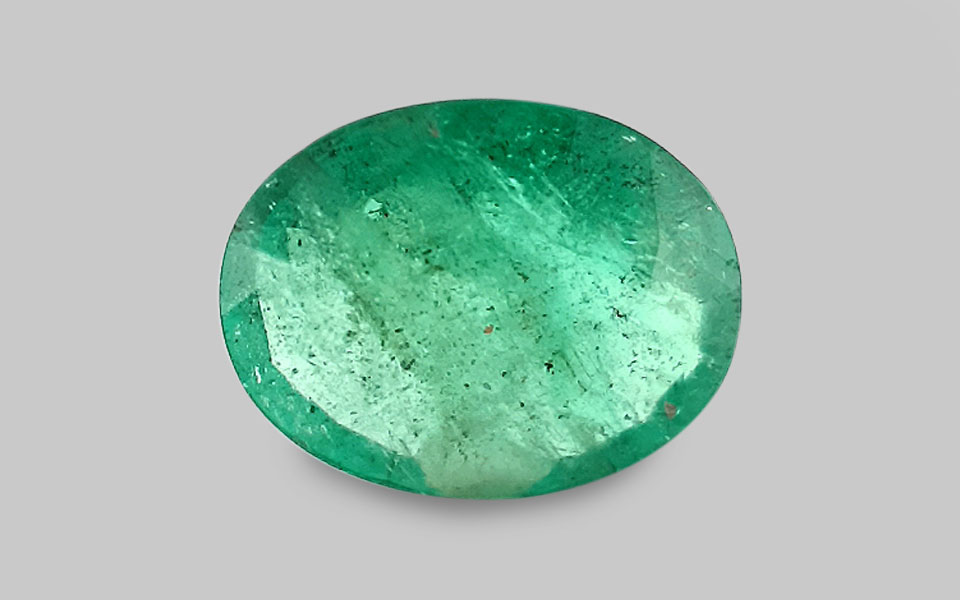
Most natural emeralds contain inclusions, which are small internal marks or patterns inside the stone. These inclusions are often called the stone’s natural fingerprint. Instead of reducing the value, these inclusions usually confirm that the emerald is natural.
Natural emeralds are mined from different parts of the world. Some of the well-known sources include Colombia, Zambia, Brazil, and Afghanistan. Because they form in nature under unique conditions, every natural emerald has its own color tone, clarity, and character. This uniqueness is one reason why natural emeralds are more valuable than lab grown stones.
How Are Natural Emeralds Created?
Natural emeralds form deep inside the earth when minerals like beryllium, aluminum, and silica combine under high temperature and pressure. This process takes place in rocks over millions of years.
During this long formation period, different minerals and fluids enter the crystal structure. This is why natural emeralds often contain inclusions or small internal patterns. These inclusions help gem experts identify the stone as natural.
After formation, emeralds remain inside rocks until they are mined. Once mined, the rough stones are cut and polished to bring out their color and shine. These finished gemstones are then used in jewellery such as rings, pendants, and bracelets.
Lab Created Emerald vs Natural Emerald : Key Differences
Both lab created and natural emeralds may look similar, but there are several important differences between them. These differences help buyers understand lab created emerald vs natural emerald in terms of origin, value, appearance, and use.
Origin and Formation
The biggest difference between natural emerald vs lab created emerald is how the stone forms. Natural emeralds develop inside the earth through natural geological processes that take millions of years. Minerals combine under heat and pressure to slowly form emerald crystals inside rocks.
Lab created emeralds are produced in laboratories using scientific methods. Experts recreate similar conditions using heat, pressure, and chemical solutions to grow emerald crystals within a few weeks or months.
Rarity and Availability
Natural emeralds are rare because they form only under specific natural conditions. Mining them is also difficult, and only a small number of stones have good color and quality.
Lab grown emeralds are easier to produce. Laboratories can create them in controlled environments, so they are more widely available in the market.
Price Difference
Price is one of the most noticeable differences between lab grown vs natural emeralds. Natural emeralds are usually more expensive because they are rare and mined from the earth.
Lab created emeralds cost much less because they are manufactured in laboratories. Buyers who want the look of an emerald at a lower price often choose lab grown stones.
Inclusions and Appearance
Natural emeralds usually contain inclusions. These inclusions appear as small internal patterns, lines, or marks inside the gemstone. Gem experts often call them the stone’s natural fingerprint.
Lab created emeralds normally have fewer inclusions because they are produced in controlled conditions. This often makes them look clearer and more uniform than natural emeralds.
Value and Investment
Natural emeralds generally hold higher value in the gemstone market. Rare stones with good color and clarity can become valuable collectibles.
Lab created emeralds do not have the same long-term value because they can be produced in large quantities. Their resale price is usually lower.
Astrological Importance
In Vedic astrology, natural gemstones are usually preferred. Many astrologers recommend natural emeralds for planetary benefits related to Mercury.
Lab created emeralds are mainly used for jewelry purposes. They are rarely suggested for astrological use.
The table below shows a quick comparison between lab created emerald and natural emerald.
| Factor | Lab Created Emerald | Natural Emerald |
| Origin | Made in laboratories using scientific methods. | Formed naturally inside the earth over millions of years. |
| Formation Time | Created within a few weeks or months. | Takes millions of years to form naturally. |
| Rarity | Easily produced and widely available. | Rare because it forms under special natural conditions. |
| Price | More affordable and budget-friendly. | Usually expensive due to rarity and natural origin. |
| Inclusions | Usually fewer inclusions and looks clearer. | Often contains natural inclusions inside the stone. |
| Market Value | Lower resale and investment value. | Higher market value and collector demand. |
| Astrological Use | Mostly used for jewelry purposes. | Commonly recommended for astrological benefits. |
Lab Grown vs Natural Emeralds : Which is Better for You?
The choice between lab grown vs natural emeralds depends on your purpose, budget, and personal preference. Both types of emeralds have their own advantages, so the better option is the one that fits your needs.
If you want an emerald mainly for jewellery, a lab created emerald can be a good option. These stones look similar to natural emeralds and are more affordable. Many buyers choose lab grown emeralds when they want a larger stone or a cleaner appearance without spending too much money.
Natural emeralds are often preferred by people who value rarity and authenticity. Since these stones form naturally inside the earth, each emerald has its own unique characteristics. Natural emeralds are also considered more valuable in the gemstone market.
People who want to wear emerald for astrological purposes usually choose natural stones. In Vedic astrology, natural gemstones are believed to carry stronger planetary influence compared to lab created stones.
How to Identify a Real Emerald (Panna) Stone?
Many buyers find it difficult to tell the difference between a real emerald and a synthetic or fake stone. Since lab grown vs natural emeralds can look very similar, careful examination is important before making a purchase.
Check for Natural Inclusions
Natural emeralds usually contain inclusions inside the stone. These inclusions may appear as tiny lines, patterns, or small crystal particles. Gem experts often call them the stone’s natural fingerprint.
Lab created emeralds often look clearer because they are produced in controlled environments. A completely flawless emerald is rare in nature, so visible inclusions can indicate that the stone is natural.
Observe the Color
A natural emerald normally shows a rich green color with slight variations. The color may not appear perfectly even throughout the stone.
Synthetic or lab created emeralds often display very uniform color. If the green shade looks extremely perfect and consistent, the stone may be lab grown.
Check the Price
Price can also give a clue about the authenticity of the gemstone. Natural emeralds are rare and valuable, so they usually cost more.
If an emerald is offered at a very low price compared to market value, it may be a lab created or imitation stone.
Ask for a Gemstone Certification
A reliable way to confirm authenticity is to request a gemstone certificate from a recognized gemological laboratory. The certificate clearly states whether the stone is natural or lab created.
Buy from a Trusted Seller
Purchasing gemstones from a reliable and well-known seller reduces the risk of buying a fake stone. Trusted gemstone stores usually provide proper certification, quality assurance, and transparent information about the gemstone.
Why Buy Gemstones from HTP Gemstones?
HTP Gemstones is a trusted source for buying genuine and certified gemstones. The company offers high-quality natural emerald stones that are carefully selected to meet proper quality standards. Each gemstone comes with clear information about its origin, quality, and authenticity so buyers can make informed decisions.
Customers also receive proper guidance when choosing gemstones for jewelry or astrological purposes. With a focus on authenticity, transparency, and customer satisfaction, HTP Gemstones helps buyers purchase gemstones with confidence.
FAQ
1. Is lab emerald the same as natural emerald?
No, lab emeralds are created in laboratories while natural emeralds are formed naturally in the earth, but both have similar chemical and physical properties.
2. Are lab-created emeralds any good?
Yes, lab-created emeralds are considered good because they have similar beauty and clarity as natural emeralds and are more affordable.
3. Do lab emeralds have any value?
Yes, lab emeralds have value, but they are generally less valuable than natural emeralds because they are man-made.
4. Which color of emerald is best?
The best emerald color is a deep, vivid green with good brightness and even color distribution.
5. What is the price of lab grown emerald per carat?
Lab-grown emeralds usually cost around ₹2,000 to ₹10,000 per carat, depending on quality and size.
Conclusion
Lab-created and natural emeralds may look similar, but they are different in terms of origin, rarity, and value. Natural emeralds are formed inside the earth over millions of years and are considered more rare and valuable. Lab-grown emeralds, on the other hand, are created in controlled environments and are usually more affordable.
The right choice depends on your purpose and budget. If you want a rare and traditional gemstone, a natural emerald is usually preferred. If you are looking for a more budget-friendly option with a similar appearance, a lab-created emerald can also be a suitable choice.
Need Expert Guidance Before Choosing a Gemstone?
Every gemstone works differently for each person. Our experts help you choose the right stone based on suitability, purpose, and budget.
