


Ruby has always been a gemstone that catches attention. Its deep red color, natural shine, and rarity have made it special for centuries. From royal jewellery to traditional gemstone beliefs, ruby has had an important place in many cultures.
The gemstone is often called the “King of Gemstones” because of its beauty, value, and long-standing importance. In Indian traditions, ruby is known as Ratnaraj, which means “king of gems.” It is linked with qualities such as power, confidence, success, and status.
Ruby also has strong meanings in other cultures. Its red color often symbolizes love, passion, courage, and protection. These meanings, along with its physical beauty, have helped ruby remain popular across generations.
But what makes ruby worthy of the name king of all gemstones? Its color, rarity, history, symbolism, and value all play a part. Let’s look at these qualities and understand why ruby holds such a special position among gemstones.
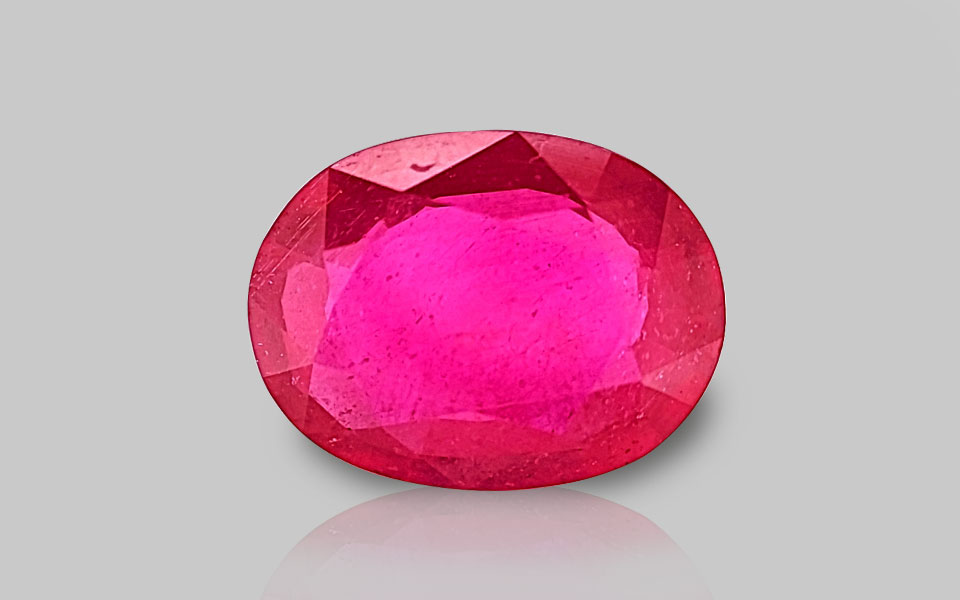
Physical Characteristics of Ruby
The first thing people notice about ruby is its red color. The shade can range from pinkish red to a deep, strong red. Chromium present in the stone is responsible for this natural color.
Ruby belongs to the corundum family, the same mineral family as sapphire. Its hardness is another important feature. With a 9 on the Mohs scale, ruby is highly resistant to scratches and can be worn regularly as a ring, pendant, or other piece of jewellery.
The appearance of a ruby depends on several factors, including its color, clarity, cut, and natural inclusions. Some rubies may have tiny internal marks, which are common in natural stones. Their presence, size, and effect on the stone’s appearance can influence its value.
Rubies are found in different parts of the world, and each mining region is known for stones with different colors and characteristics.
Myanmar (Burma): Myanmar rubies are famous for their rich red color and are especially known for fine stones with a vivid “pigeon blood” red appearance.
Mozambique: Mozambique has become an important source of ruby in recent years. Rubies from this region are often known for their strong red to purplish-red colors.
Thailand: Thai rubies are generally darker in color and may have a brownish-red appearance. The country has also been an important part of the ruby trade for many years.
Sri Lanka: Rubies from Sri Lanka are often lighter in tone, with pinkish-red shades being common. They can also have good brightness and clarity.
Madagascar: Madagascar produces rubies in a wide range of colors, from bright red to pinkish red. The region has become a notable source of natural ruby.
Vietnam: Vietnamese rubies are known for their pinkish-red to purplish-red shades. Some stones from this region can have a soft and attractive color.
Tanzania: Tanzania is another source of natural ruby. Stones from the region can show deep red colors, while their clarity and appearance vary from one stone to another.
Why Is Ruby Called the “King of Gemstones”?
Ruby has been linked with royalty and high status for centuries. In many old traditions, it was considered a gemstone of rulers and was believed to represent strength, authority, and confidence. This long connection with power gave ruby a royal image that continues even today.
Another reason for its title is the strong demand for fine-quality ruby. Stones with a vivid red color, good transparency, and attractive appearance are rare. High-quality natural rubies are also difficult to find in larger sizes, which adds to their importance in the gemstone market.
The name “King of Gemstones” also comes from the place ruby has held in jewellery and culture. It has been used in royal ornaments, important jewellery pieces, and traditional collections across different periods. Its rich history and distinctive identity have helped ruby keep this respected title for generations.
Gemstone weights are often quoted in different units. Use our converter to switch between carat and ratti instantly and avoid costly mistakes.
History and Cultural Significance of Ruby
Ruby has been valued for thousands of years and has been part of many old traditions. People admired the stone not only for its red color but also for the meaning they connected with it. Over time, ruby became linked with wealth, strength, protection, and social status.
Ruby’s Place in Indian History
India has a long connection with ruby. Ancient Sanskrit writings describe ruby as Ratnaraj, which means “king of gems.” The stone was given a special position among precious gemstones and was often connected with the Sun and its qualities of strength and vitality.
Ruby also became part of the Navratna tradition, where nine gemstones are linked with the nine planets. This connection gave ruby an important place in Indian jewellery, astrology, and traditional beliefs.
Ruby and Royal Jewellery
Ruby has been a popular gemstone in royal jewellery for generations. Kings and queens used ruby-studded ornaments to add richness to crowns, necklaces, rings, and other ceremonial pieces.
The gemstone’s deep red color also made it a natural choice for jewellery associated with wealth and prestige. Ruby pieces found in old royal collections are still valued today for both their gemstone quality and historical importance.
Traditional and Spiritual Beliefs
In India, ruby is traditionally known as Manik or Manikya. The name has been used in Sanskrit and Indian gemstone traditions for centuries. Ruby is also called Ratnaraj, meaning “king of gems,” a name that reflects the high position given to the stone in ancient traditions.
Ruby is one of the Navratnas, a group of nine gemstones traditionally linked with the nine planets. In Vedic astrology, ruby represents Surya, the Sun. It is traditionally associated with qualities such as authority, confidence, vitality, and leadership.
Ruby Across Different Cultures
Ruby has also been respected outside India. Historical traditions in parts of Asia associated the stone with courage and protection, while other cultures connected its red color with love, passion, and life.
These different traditions have added to ruby’s rich history. Even today, the gemstone continues to be valued not only as a precious stone but also as a part of cultural heritage and traditional jewellery.
Ruby’s Symbolism and Significance
Ruby is admired for more than its rich red color. For centuries, people have connected this gemstone with strong emotions and personal qualities. Its traditional meanings include love, passion, courage, protection, and inner strength.
Ruby is commonly associated with:
- Passion: Ruby’s bright red color naturally brings to mind strong feelings, romance, and passion. This is one reason the stone is often linked with deep and lasting emotions.
- Courage and Strength: Ruby has traditionally been seen as a symbol of bravery and determination. Its bold color gives it a strong character and has made it a popular gemstone for people who value confidence and inner strength.
- Love and Compassion: The red shade of ruby is closely connected with love and affection. Ruby jewellery is often chosen for special occasions because the stone can represent a strong emotional bond and lasting love.
- Protection: Many traditional beliefs consider ruby a protective gemstone. In some cultures, people have worn ruby jewellery as a talisman against negative influences. This belief is part of tradition and has not been scientifically proven.
- July Birthstone: Ruby is the traditional birthstone for July. People born during this month often choose ruby jewellery because of its connection with energy, passion, confidence, and strength.
Factors That Determine Ruby Value
Not every ruby has the same value. The price of a ruby depends on how attractive and rare the stone is. A natural ruby with a strong red color, good transparency, and fewer visible inclusions can be much more valuable than a stone with a dull or uneven appearance.
Color Makes a Major Difference
The color of ruby is one of the first things buyers and gemstone experts look at. A rich, lively red with good brightness is generally more desirable. Rubies that look too light, too dark, or have strong brown or purple tones may have a different market value.
The famous pigeon blood red description is often used for rubies with a highly desirable vivid red color. Not every ruby from a particular mining region will have this color, so the actual appearance of the stone matters more than its location alone.
Clarity and Natural Inclusions
Most natural rubies contain some internal inclusions. These marks are not unusual and can be part of the stone’s natural character. What matters is whether they affect the ruby’s transparency, color, or overall appearance.
A ruby that looks clean to the eye and still has a strong, attractive color can be more valuable. Fine rubies with a good balance of color, clarity, and brilliance are much harder to find.
Origin, Treatment and Rarity
The origin of a ruby can add to its interest and value, especially when the stone comes from a historically important source. Myanmar rubies, for example, have a long-standing reputation in the fine ruby market. At the same time, a ruby’s origin should not be considered on its own because quality can vary within the same mining region.
Treatment is another important point. Heat treatment is common in the ruby market and should be clearly disclosed. Natural, untreated rubies with strong color and good quality are particularly rare, which can make them more valuable. A gemstone certificate can provide useful information about the ruby’s identity and detected treatments.
Size Also Matters
Fine rubies become harder to find as the carat weight increases. A large ruby with strong color, good clarity, and attractive appearance can therefore command a much higher price than a smaller stone of similar quality.
For this reason, ruby value is not decided by size alone. Color, clarity, treatment, origin, and rarity work together to determine what a particular ruby may be worth.
How to Choose a Natural Ruby Gemstone
When buying a natural ruby, the first step is to check whether the stone is genuine. A trusted gemstone certificate can confirm its identity and provide details about any treatment. This is important because natural, synthetic, and treated rubies can look quite similar.
The color, clarity, and overall appearance also deserve attention. Look for a ruby with a lively red color and good brightness rather than focusing only on a flawless appearance. Small inclusions are common in natural rubies and can be part of their natural character. The cut should also allow the stone to show its color and shine properly.
Manik Stone has been known as the King of Gemstones for centuries, so its quality and authenticity are important when making a purchase. Check the stone’s treatment, carat weight, and certificate before buying. A reliable seller can also provide clear information about the ruby’s origin and quality, helping you select a stone with confidence.
FAQ
1. Which rashi can wear ruby?
Ruby is traditionally associated with Leo (Simha rashi). It is also recommended for some other rashis depending on the individual’s birth chart.
2. Is ruby more precious than gold?
A fine-quality natural ruby can be more valuable than gold, especially when it has excellent color, rarity, and quality.
3. Which birth month is ruby?
Ruby is the traditional birthstone for July.
4. Which finger is for ruby?
In Vedic astrology, ruby is traditionally worn on the ring finger of the right hand.
5. Which rashi cannot wear ruby?
Traditionally, people with Taurus, Libra, Capricorn, and Aquarius rashi are advised to avoid ruby. Astrological recommendations can vary based on the birth chart.
Conclusion
Ruby has earned its place as the King of Gemstones through its striking red color, rarity, rich history, and cultural importance. For centuries, it has been valued in jewellery and traditional practices across different parts of the world.
Its meaning also adds to its appeal. Ruby is commonly linked with love, passion, courage, strength, and protection. These qualities, along with its durability and natural beauty, continue to make it a popular choice for jewellery.
If you are planning to buy a ruby, focus on its natural origin, color, clarity, treatment, and certification. A genuine and well-certified ruby can be a beautiful gemstone with both lasting value and a rich story behind it.
Need Expert Guidance Before Choosing a Gemstone?
Every gemstone works differently for each person. Our experts help you choose the right stone based on suitability, purpose, and budget.
