

When people search for diamond-like gemstones, two names often come up: Zircon and Cubic Zirconia. Although their names sound similar, they are completely different in origin, appearance, and value. Many buyers get confused between zircon vs cubic zirconia, especially when choosing jewellery that looks bright, durable, and affordable.
Zircon is a natural gemstone formed deep within the earth, while Cubic Zirconia (CZ) is a man-made diamond simulant. Both can look similar at first glance, but their shine, durability, and price vary. Understanding the difference between natural zircon vs cubic zirconia helps you pick a stone that suits your taste, budget, and long-term use.
This guide explains each stone clearly, compares white zircon vs cubic zirconia, and highlights the important points that set them apart. It will help you choose the right gemstone for jewellery or as an alternative to diamonds and white sapphires.
What is Zircon?
Zircon is a natural gemstone formed deep inside the earth over millions of years. It is one of the oldest minerals known, with some zircon crystals found to be more than 4.4 billion years old. The stone is made of zirconium silicate and is completely different from the man-made Cubic Zirconia, even though their names sound similar.
Zircon occurs in a wide range of colours blue, yellow, brown, red, and clear white. Among these, white zircon is especially popular for its diamond-like shine. Because it forms naturally, every zircon stone shows unique clarity, colour tones, and inclusions.
On the Mohs hardness scale, zircon ranks between 6 to 7.5, which gives it a decent level of durability for rings, pendants, and daily-wear jewellery. Its high refractive index gives the stone noticeable brilliance and fire, making it a preferred choice for those who want a natural gemstone with strong sparkle at a reasonable price.
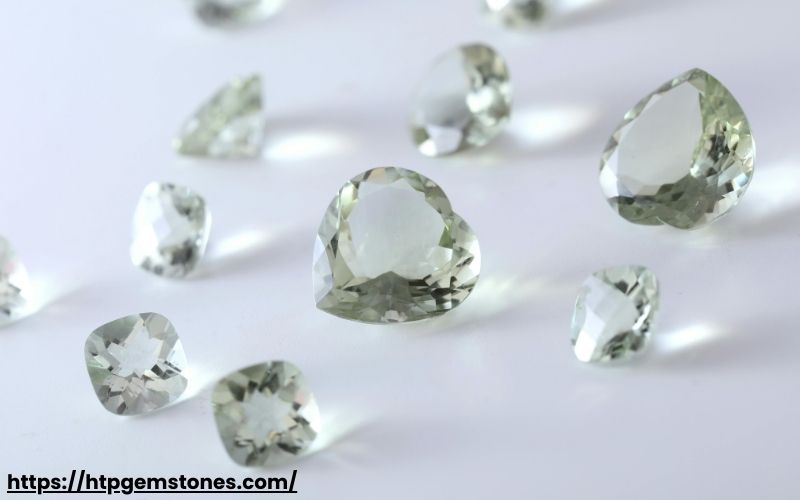
What is Cubic Zirconia?
Cubic Zirconia, commonly known as CZ, is a lab-created gemstone made from zirconium dioxide. It was first produced on a commercial scale in the 1970s, when scientists developed a stable way to create crystals that looked similar to diamonds. Since then, Cubic Zirconia has become one of the most popular synthetic alternatives to natural gemstones.
CZ is colourless in its pure form, but it can also be made in various colours through controlled laboratory processes. Unlike natural zircon, Cubic Zirconia has a consistent appearance with very few visible inclusions. This gives it a clean and flawless look, which many buyers appreciate for fashion jewellery.
On the Mohs hardness scale, Cubic Zirconia ranks around 8 to 8.5, making it harder than zircon and more suitable for long-term daily wear. It also has strong brilliance and fire, though its sparkle is slightly different from natural gemstones because of its higher dispersion.

Zircon vs Cubic Zirconia: Understanding the Key Differences
Many people get confused when choosing between cubic zirconia vs zircon, especially because both can resemble diamonds. While they may look similar at first glance, they differ greatly in origin, physical properties, and value. Here’s a detailed comparison across key factors:
1. History and Origin
- Zircon: Zircon is a natural mineral that has existed for billions of years. Some zircon crystals are more than 4.4 billion years old, making it one of the oldest minerals on Earth. Zircon is mined from countries such as Sri Lanka, Cambodia, Myanmar, and Tanzania. It forms naturally under high temperature and pressure, giving each stone a unique character.
- Cubic Zirconia: Cubic Zirconia, often abbreviated as CZ, is a man-made gemstone created from zirconium dioxide. CZ was first successfully produced on a commercial scale in the 1970s. Unlike zircon, it is entirely lab-created and does not occur naturally, which makes it uniform and widely available.
2. Colour
- Zircon: Naturally occurs in a wide range of colours, including blue, yellow, red, brown, and white zircon, which closely resembles a diamond. Its colours are due to natural trace elements. Some colours, like blue and red, are rarer and more valuable. Zircon can also show pleochroism, meaning the stone can display different colours when viewed from different angles.
- Cubic Zirconia: Usually colourless, but can be made in almost any colour through laboratory processes. CZ has uniform colour and clarity, giving it a flawless appearance that is often more consistent than natural stones.
3. Clarity and Inclusions
- Zircon: Being natural, zircon can contain small inclusions or natural imperfections. These inclusions can slightly reduce transparency but also confirm its natural origin. High-quality zircon is often clean and transparent, but it rarely reaches the perfection of synthetic stones.
- Cubic Zirconia: CZ is virtually flawless, with minimal to no inclusions. This makes it a popular choice for jewellery where a clean, diamond-like look is desired. However, this perfect clarity also makes CZ look slightly artificial under close inspection compared to natural zircon.
4. Durability (Mohs Hardness)
- Zircon: Zircon ranks 6–7.5 on the Mohs scale, which is moderately hard. While durable for earrings, pendants, and occasional rings, it can be prone to scratches or chipping if worn roughly. Care should be taken when wearing zircon jewellery daily.
- Cubic Zirconia: CZ is harder, with Mohs hardness around 8–8.5. It is more resistant to scratches than zircon, making it suitable for everyday rings and bracelets. However, CZ can be brittle under hard impact despite its hardness.
5. Brilliance and Light Performance
- Zircon: Zircon has a high refractive index (1.92–1.98) and strong fire, producing noticeable brilliance. Its sparkle is more natural and subtle, closer to diamonds in some cases. Because it is natural, the exact brilliance depends on the cut and quality of the stone.
- Cubic Zirconia: CZ has a slightly higher dispersion than zircon, giving it a very flashy, rainbow-like sparkle. While its brilliance is strong and eye-catching, it can sometimes appear “too perfect” or artificial compared to natural zircon.
6. Price Factor
- Zircon: Since it is natural and rare, zircon is more expensive than Cubic Zirconia. Prices vary depending on size, clarity, colour, and origin. White zircon is affordable compared to diamonds but still considered a premium natural gemstone.
- Cubic Zirconia: CZ is very affordable, because it is lab-grown and easy to produce. A large flawless CZ can cost only a fraction of the price of natural zircon or diamonds, making it a popular choice for costume jewellery or temporary fashion pieces.
7. Jewellery Use
- Zircon: Natural zircon is used in fine jewellery, especially rings, earrings, and pendants. Its brilliance and natural origin make it suitable as a diamond alternative for those seeking authenticity without the high cost of diamonds.
- Cubic Zirconia: CZ is commonly used in fashion jewellery and budget-friendly designs. Its perfect clarity and sparkle make it ideal for bridal sets, cocktail rings, and statement pieces. However, CZ does not have the same prestige as a natural stone like zircon.
Here’s a quick comparison to highlight the key differences between Zircon and Cubic Zirconia:
| Feature | Zircon | Cubic Zirconia (CZ) |
| Origin | Natural mineral | Lab-created |
| History | Billions of years old | First produced commercially in 1970s |
| Colour | Natural range (blue, yellow, red, white) | Colourless or lab-coloured |
| Clarity | May have natural inclusions | Almost flawless |
| Mohs Hardness | 6–7.5 | 8–8.5 |
| Brilliance/Fire | Natural sparkle, subtle | Very bright, rainbow-like sparkle |
| Price | Higher, depending on quality | Very affordable |
| Jewellery Use | Fine jewellery, diamond alternative | Fashion jewellery, affordable designs |
Which Gemstone Is the Best Alternative to Diamond or White Sapphire?
Both zircon and cubic zirconia are often considered alternatives to diamonds and white sapphires because of their sparkle and clarity. Choosing the right stone depends on what you value most in terms of natural origin, durability, or affordability.
Zircon as a Diamond Alternative: Zircon offers a natural brilliance and fire that closely resembles diamonds. Its unique, natural origins give each stone a subtle character that cannot be replicated in synthetic gems. Zircon is ideal for fine jewellery such as rings, earrings, and pendants where authenticity and elegance matter.
Cubic Zirconia as a Diamond Alternative: Cubic Zirconia provides consistent clarity and sparkling brilliance. Because it is lab-created, it can achieve a flawless, eye-catching look at a much lower price than natural zircon or diamonds. CZ is perfect for fashion jewellery, statement pieces, or occasions where affordability and sparkle are priorities.
FAQ
1. Is zircon better than cubic zirconia?
Zircon is better if you want a natural gemstone with authentic sparkle and value. Cubic Zirconia is better for affordable, flawless jewellery. The choice depends on whether you value authenticity or price.
2. Who should not wear zircon?
People with sensitive skin should ensure the setting is safe, but generally zircon is suitable for most. Avoid wearing zircon in rough or heavy-use jewellery as it can chip more easily than synthetic stones.
3. Which is more expensive, zircon or cubic zirconia?
Zircon is more expensive because it is natural and rarer. Cubic Zirconia is lab-created and widely available, making it very affordable.
4. Is CZ the same as zircon?
No. Cubic Zirconia (CZ) is a man-made gemstone, while zircon is a natural mineral. They look similar but differ in origin, clarity, and value.
5. Which Rashi is zircon stone for?
Zircon is associated with the Dhanu (Sagittarius) Rashi. It is believed to bring clarity, confidence, and positive energy to the wearer.
Conclusion
While zircon and cubic zirconia may look similar, they are very different in origin, value, and characteristics. Zircon is a natural gemstone with unique brilliance and subtle charm, making it a preferred choice for fine jewellery and as a diamond alternative. Cubic Zirconia, on the other hand, is lab-created, flawless, and affordable, ideal for fashion jewellery or larger statement pieces.
Choosing between zircon stone vs cubic zirconia depends on what matters most: authenticity, natural origin, and long-term value, or affordability, perfect clarity, and consistent sparkle. Understanding the differences in colour, clarity, and overall appearance helps buyers make an informed choice.
