


Yellow Sapphire is a popular gemstone in both jewelry and astrology. People value this stone for its bright yellow color and its connection with planet Jupiter. While buying this gemstone, many people focus only on color and size, but one important factor often gets ignored.
Natural inclusions in yellow sapphire are small marks or features found inside the stone. These inclusions are not always a bad sign. In fact, they can tell a lot about whether the stone is real or not. Natural yellow sapphire inclusions also help experts understand the quality and origin of the gemstone.
Many buyers feel confused when they see these internal marks. Some think it means the stone is damaged or low quality. That is not always true. In this guide, we will explain everything in a simple way so you can understand what inclusions actually mean and why they matter.
What are Yellow Sapphire Inclusions?
Yellow sapphire inclusions are natural marks, lines, or tiny particles found inside the gemstone. These are formed during the stone’s creation deep inside the earth. Heat, pressure, and minerals all play a role in forming these internal features.
Natural inclusions in yellow sapphire can look like small cracks, needle-like lines, cloudy areas, or tiny dots. Each stone has its own pattern, so no two sapphires look exactly the same from inside.
Natural pukhraj inclusions are actually a sign that the stone is real. A completely clean stone with no marks at all can sometimes be lab-made or treated. That is why experts use inclusions to check the authenticity of the gemstone. In simple terms, inclusions are like the fingerprint of a yellow sapphire. They tell the story of how the stone was formed and help in identifying whether it is natural or not.
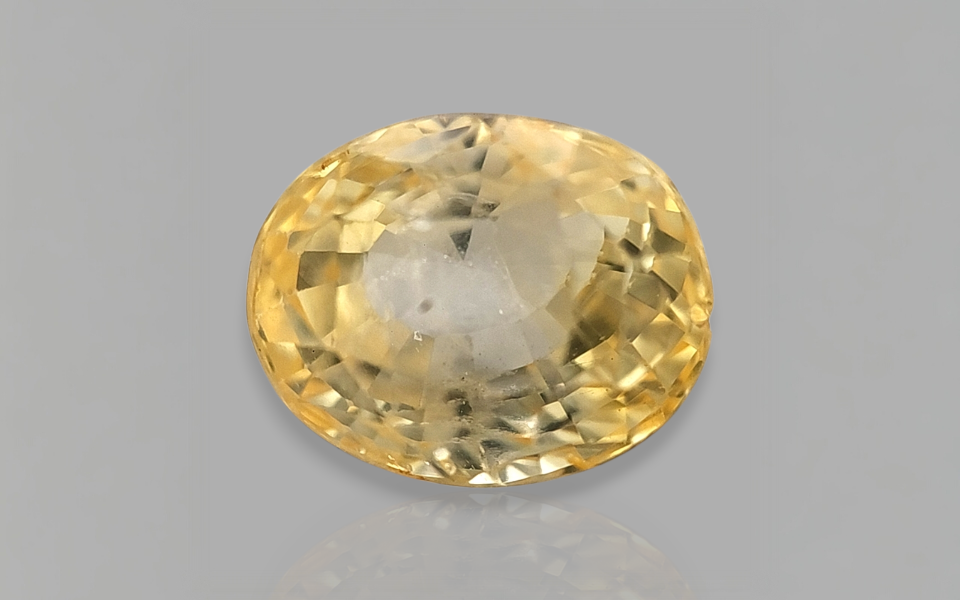
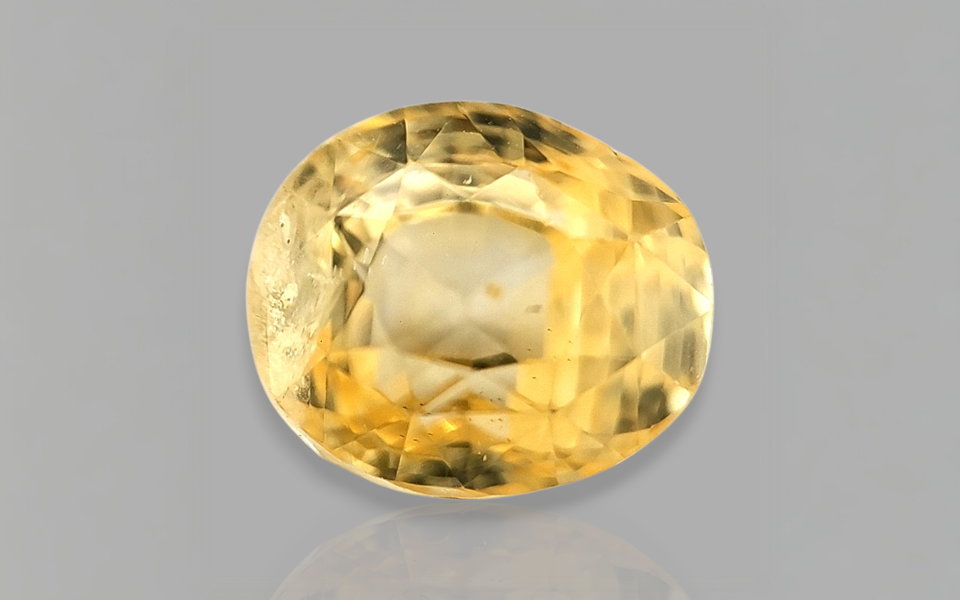
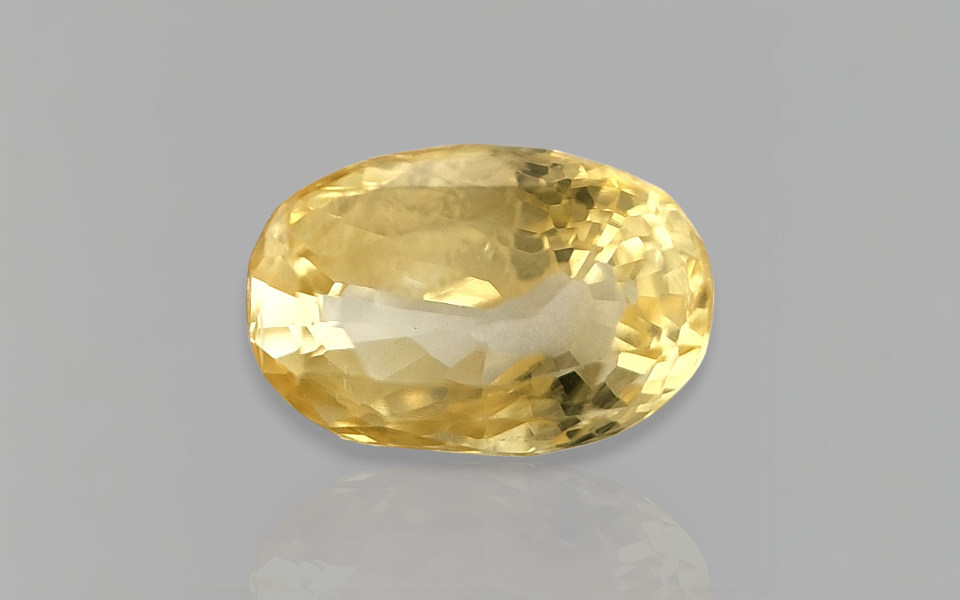
Types of Natural Inclusions in Yellow Sapphire
Yellow sapphires can have different types of internal marks. Each type forms naturally and gives a clue about the stone’s origin and quality. Below are some common natural inclusions in yellow sapphire:
Needle-like Inclusions
These look like thin lines inside the stone. They are often formed due to minerals trapped during crystal growth. In some cases, these needles can reflect light and create a soft shine inside the gemstone.
Feather Inclusions
Feather inclusions look like small cracks or feathers inside the stone. They are quite common and usually do not affect the stone much unless they are too large or reach the surface.
Cloud Inclusions
Cloud inclusions appear as hazy or foggy areas inside the gemstone. These are made of tiny particles grouped together. Too many clouds can reduce the clarity of the stone.
Crystal Inclusions
Sometimes small crystals get trapped inside the yellow sapphire. These can be seen as tiny dots or shapes. Natural yellow sapphire inclusions like these help confirm that the stone is real.
Color Zoning
Color zoning means uneven color distribution inside the stone. Some areas may look lighter or darker than others. This is a natural process and is commonly seen in untreated stones.
Importance of Inclusions in Yellow Sapphire
Inclusions play an important role in understanding a yellow sapphire. Many people think these marks are defects, but that is not always true. Natural inclusions in yellow sapphire actually help in identifying whether the stone is real or not.
These inclusions act as proof of natural formation. A stone with no internal marks at all can raise doubts about being synthetic or treated. That is why experts always check natural yellow sapphire inclusions before confirming authenticity.
Inclusions also help in judging the quality of the gemstone. The size, number, and position of these marks decide how clear and valuable the stone is. Small and less visible inclusions are usually acceptable. So, inclusions are not just marks inside the stone. They are useful signs that help in checking originality and overall quality.
Effect of Inclusions on Yellow Sapphire Quality, Value & Astrological Use
Inclusions have a direct impact on how a yellow sapphire looks and how it is valued. Natural inclusions in yellow sapphire are normal, but their presence should be balanced.
Impact on Quality and Value
Clarity is one of the main factors in deciding the price of a gemstone. A stone with very few visible inclusions looks clearer and is usually more expensive. On the other hand, too many inclusions like cracks, clouds, or dark spots can make the stone look dull and lower its value.
Some natural yellow sapphire inclusions, like very fine internal lines, may not harm the beauty of the stone. In fact, they can slightly improve the way light moves inside. Also, a completely flawless stone can sometimes raise doubts about whether it is natural or lab-made.
Astrological Use and Inclusions
In astrology, people prefer stones that are clear and natural. A yellow sapphire with fewer inclusions is believed to work better. Large or heavy inclusions can interrupt the flow of light through the stone.
Small and light inclusions are generally accepted, as they show the stone is natural. A balanced stone with good clarity is often considered suitable for astrological use.
Natural vs Synthetic Yellow Sapphire: Importance of Inclusions in Identification
Inclusions play a key role in telling whether a yellow sapphire is natural or synthetic. Natural stones form over many years inside the earth, so they usually contain some internal marks. These natural inclusions in yellow sapphire act as proof of their origin.
Synthetic or lab-made stones are created in controlled conditions. Because of this, they often look very clean and may not have the same type of inclusions seen in natural stones. In some cases, they may have different patterns that experts can easily identify.
Natural yellow sapphire inclusions like tiny crystals, needles, or uneven color patterns are difficult to copy exactly in lab-made stones. That is why gem experts study these details closely before confirming authenticity.
A completely flawless stone can sometimes be a warning sign. Most natural sapphires have at least a few inclusions. So checking these internal features helps in making sure you are buying a genuine gemstone.
FAQ
1. Do fake sapphires have inclusions?
Most fake or synthetic sapphires look very clean and may not have natural inclusions in yellow sapphire. Some lab-made stones can show marks, but they usually look different from natural patterns.
2. How to identify cracks in yellow sapphire?
A crack can be seen as a line or break inside the stone. It may look like a feather or a sharp line. When you move the stone under light, the crack becomes more visible.
3. Should yellow sapphire touch skin?
Yes, in astrology, yellow sapphire is usually worn in a way that it touches the skin. This is believed to help in better energy flow.
Conclusion
Yellow sapphire inclusions are a natural part of the gemstone and should not be seen as a flaw in every case. Natural inclusions in yellow sapphire help in identifying whether the stone is real and give an idea about its formation.
The effect of these inclusions depends on their size, number, and visibility. Small and light natural yellow sapphire inclusions are usually acceptable, while heavy ones can affect the look and value of the stone.
Inclusions also play a role in checking authenticity and deciding if the stone is suitable for astrological use. A balanced stone with good clarity and natural features is often the best choice. Understanding inclusions makes it easier to choose the right yellow sapphire with confidence.
Need Expert Guidance Before Choosing a Gemstone?
Every gemstone works differently for each person. Our experts help you choose the right stone based on suitability, purpose, and budget.
