

Amethyst and blue sapphire are two popular gemstones, but they are quite different in color, mineral composition, hardness, value, and traditional beliefs. Both are used in jewellery and are also chosen by people who follow gemstone astrology.
The main difference between amethyst stone vs blue sapphire is their mineral type and traditional association. Amethyst is a purple variety of quartz, while blue sapphire is a blue variety of corundum. Blue sapphire is also much harder and is generally more valuable than amethyst.
If you are confused about amethyst vs blue sapphire, this guide will help you understand their key differences. We will compare their appearance, properties, price, uses, and traditional significance to help you choose the right gemstone for your needs.
The Overview of Amethyst
Amethyst, also known as Jamunia Stone, is a popular semi-precious gemstone from the quartz mineral family. It is best known for its purple to violet colour, which can range from soft lavender to a deeper purple shade.
The purple colour of amethyst is mainly linked to trace amounts of iron present in the quartz during its natural formation. Natural amethyst is found in different parts of the world, with important deposits in Africa and South America.
Amethyst is widely used for rings, pendants, earrings, bracelets, and other jewellery. It is also a popular choice for people who want a beautiful coloured gemstone at a comparatively affordable price.
One of the main reasons for the popularity of Jamunia Stone is its attractive violet colour. In Indian gemstone traditions, amethyst is also associated with Shani (Saturn) and is sometimes chosen for astrological purposes.
The Overview of Blue Sapphire
Blue Sapphire, also known as Neelam Stone, is a precious gemstone from the corundum mineral family. It is known for its rich blue colour, which can range from light blue to deep royal blue.
The blue colour of sapphire comes mainly from trace elements present in the corundum during its natural formation. A fine-quality blue sapphire is valued for its colour, clarity, cut, carat weight, and origin.
Blue sapphire is one of the hardest natural gemstones, with a Mohs hardness of 9. This makes it a strong choice for everyday jewellery, especially rings and pendants.
In Indian astrology, Neelam Stone is traditionally associated with Shani (Saturn). People who follow Vedic astrology may choose blue sapphire based on their birth chart and an astrologer’s advice.
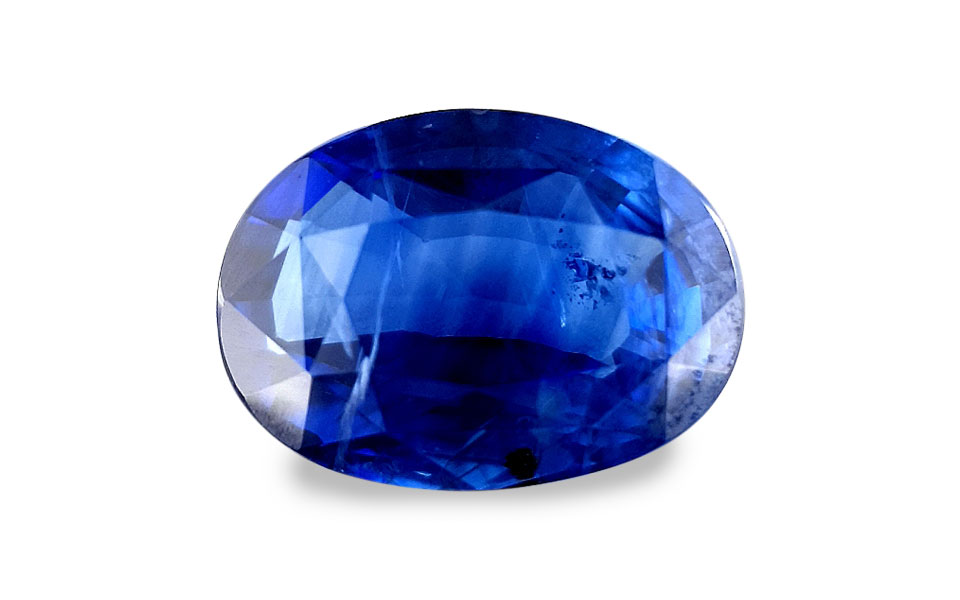
Understand the Difference Between Amethyst vs Blue Sapphire
Amethyst and blue sapphire are both attractive gemstones, but they are different in many ways. If you are comparing amethyst stone vs blue sapphire, look at their mineral type, colour, hardness, price, origin, and traditional use.
1. Difference in Mineral Composition
Amethyst is a variety of quartz, a common mineral found in many parts of the world. Its purple colour makes it easy to identify as a type of quartz.
Blue sapphire belongs to the corundum mineral family. Corundum is naturally colourless, but trace elements give sapphire its different colours. Iron and titanium are mainly responsible for the blue colour in blue sapphire.
2. Difference in Colour
Colour is one of the easiest ways to tell amethyst vs blue sapphire apart. Amethyst is known for its purple to violet colour. It may appear light lavender, medium purple, or deep violet.
Blue sapphire is known for its blue colour, which can range from light blue to rich royal or deep blue. Fine-quality stones often have an attractive, well-balanced blue colour.
3. Difference in Hardness and Durability
Amethyst has a Mohs hardness of 7, which gives it good durability for regular jewellery use. It can still get scratched if it comes into contact with harder materials.
Blue sapphire has a Mohs hardness of 9, making it much harder than amethyst. Only a few natural gemstones, such as diamond and moissanite, are harder on the Mohs scale. This makes blue sapphire a strong option for jewellery that is worn regularly, including rings.
4. Difference in Price
Price is another major difference between blue sapphire vs amethyst.
Amethyst is generally an affordable gemstone. Its price depends on factors such as colour, clarity, cut, size, and origin.
Blue sapphire can be considerably more expensive. Its value depends on colour, clarity, carat weight, origin, treatment, and overall quality. Fine natural blue sapphires with desirable colour and good clarity can command a high price.
Gemstone weights are often quoted in different units. Use our converter to switch between carat and ratti instantly and avoid costly mistakes.
5. Difference in Rarity and Availability
Amethyst is found in several locations around the world and is available in a wide range of qualities and sizes. This makes it relatively easy to find.
Blue sapphire is also found in different countries, but fine-quality natural stones are less common. Stones from certain well-known origins may also have higher value because of their colour and market demand.
6. Difference in Astrological Significance
Both gemstones have a connection with Shani (Saturn) in some Indian astrological traditions, but their traditional importance is different.
Blue Sapphire is traditionally considered the primary gemstone for Saturn. Amethyst, also known as Jamunia Stone, is sometimes suggested as an alternative gemstone in certain astrological practices.
People who want to wear either stone for astrology should consider their birth chart and seek advice from a knowledgeable astrologer rather than choosing only based on their zodiac sign.
7. Difference in Jewellery Use
Amethyst is commonly used in rings, pendants, earrings, bracelets, and other jewellery. Its purple colour works well with both simple and statement designs.
Blue sapphire is also used in rings, pendants, earrings, and bracelets. Because of its high hardness, it is particularly suitable for jewellery that is worn frequently.
Amethyst Stone vs Blue Sapphire: Quick Comparison
| Feature | Amethyst | Blue Sapphire |
| Also known as | Jamunia Stone | Neelam Stone |
| Mineral family | Quartz | Corundum |
| Colour | Purple to violet | Light to deep blue |
| Gemstone type | Semi-precious | Precious |
| Mohs hardness | 7 | 9 |
| Durability | Good | Excellent |
| Price | Generally more affordable | Generally more expensive |
| Traditional planet | Saturn in some traditions | Saturn |
| Common jewellery | Rings, pendants, earrings, bracelets | Rings, pendants, earrings, bracelets |

Which Gemstone Is Right for You?
If you want a beautiful purple gemstone at an affordable price, Amethyst or Jamunia Stone can be a good choice. It is popular for its violet colour and is suitable for rings, pendants, earrings, and bracelets.
If you prefer a blue gemstone with higher durability, Blue Sapphire or Neelam Stone may be a better option. It has a Mohs hardness of 9 and is known for its rich blue colour, making it suitable for regular jewellery.
For astrological purposes, the choice can be different. Blue Sapphire is traditionally associated with Shani (Saturn), while Jamunia Stone is sometimes considered an alternative in certain traditions. If astrology is your main reason for buying a gemstone, it is best to choose based on your birth chart and proper guidance.
Where to Buy Genuine Amethyst and Blue Sapphire Gemstones?
A genuine gemstone should be purchased from a reliable and transparent seller. Before buying Amethyst or Blue Sapphire, check details such as whether the stone is natural or treated, its quality, origin, and certification. These details can help you understand exactly what you are paying for.
HTP Gemstones is one option for those looking for Amethyst (Jamunia Stone) and Blue Sapphire (Neelam Stone). Buyers can compare the available stones based on colour, clarity, carat weight, origin, treatment, and price before making a decision.
A gemstone certificate is also important when buying a valuable stone, especially Blue Sapphire. A certificate from a recognised gemological laboratory can provide information about the gemstone and its treatments, helping you make a more informed purchase.
FAQ
1. Which crystal is better, amethyst or neelam?
Amethyst is a more affordable option, while Neelam is harder and traditionally considered more powerful in astrology. The right choice depends on your purpose.
2. Who should not wear amethyst crystals?
There is no general restriction on wearing amethyst. For astrological use, consult an astrologer before wearing it.
3. Which is worth more, amethyst or sapphire?
Blue Sapphire is generally more expensive than Amethyst, especially when it has excellent colour, clarity, and natural origin.
4. Why is amethyst no longer valuable?
Amethyst is still valuable, but its wider availability makes it generally more affordable than rare gemstones such as fine Blue Sapphire.
5. Who cannot wear Neelam?
Neelam is not traditionally recommended for everyone. People should check their birth chart with a knowledgeable astrologer before wearing it for astrological purposes.
Conclusion
Amethyst and Blue Sapphire are different in colour, mineral composition, hardness, price, and traditional use. Amethyst (Jamunia Stone) is an affordable purple gemstone, while Blue Sapphire (Neelam Stone) is a harder and generally more valuable blue gemstone.
Your choice should depend on your budget, personal preference, jewellery needs, and astrological purpose. For astrology, proper guidance is recommended before choosing either gemstone.
Need Expert Guidance Before Choosing a Gemstone?
Every gemstone works differently for each person. Our experts help you choose the right stone based on suitability, purpose, and budget.
