


An engagement ring is more than a piece of jewellery. It represents love, commitment, and a special moment between two people. While diamonds remain a popular choice, many couples are now choosing colored gemstones for engagement rings.
Gemstones can give an engagement ring a personal touch through their color, meaning, and unique appearance. From classic ruby and sapphire to less common stones such as spinel and tanzanite, there are many gemstones for engagement rings to consider.
The right gemstone should not only look beautiful but also suit your lifestyle. Durability, color, care, personal preference, and budget all matter when choosing an engagement ring stone.
In this guide, we look at the best gemstones for engagement rings, what makes each one special, how to choose the right stone, and which gemstones may not be suitable for everyday wear. We will also cover gemstone durability and tips for buying a certified gemstone engagement ring.
Gemstone weights are often quoted in different units. Use our converter to switch between carat and ratti instantly and avoid costly mistakes.
The Top 10 Best Gemstones for Engagement Rings
The best gemstone for an engagement ring depends on more than its color. Durability, everyday wear, care needs, and personal style should all be considered before making a choice. Here are 10 gemstones that can work beautifully in an engagement ring.
1. Yellow Sapphire: A Bright and Meaningful Choice
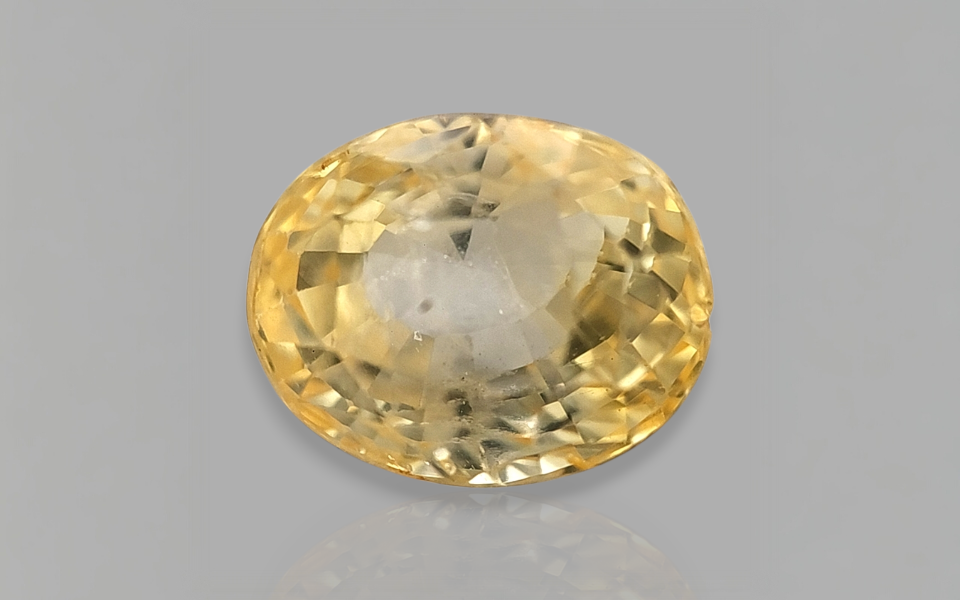
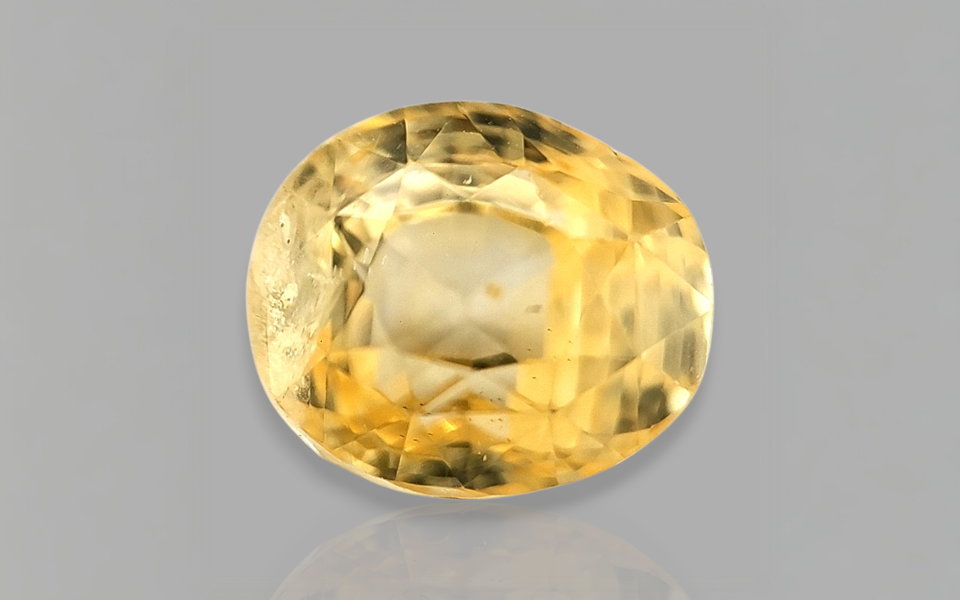
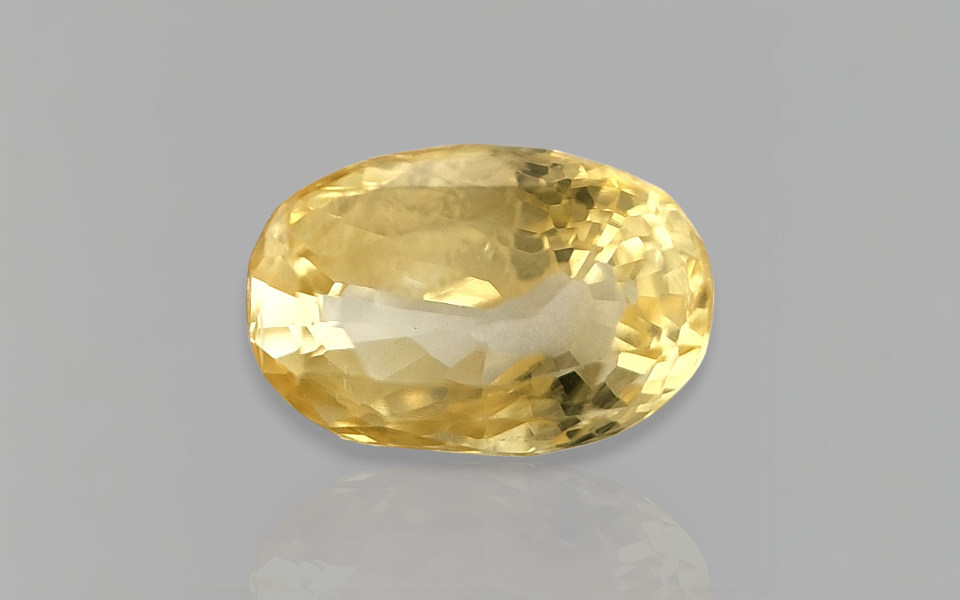
Yellow Sapphire (Pukhraj) is known for its warm yellow color, ranging from soft lemon tones to rich golden shades. It belongs to the corundum family, the same mineral family as ruby and blue sapphire.
Its combination of color and durability makes it one of the best gemstones for engagement rings. With a hardness of 9 on the Mohs scale, yellow sapphire is well suited to regular wear when cared for properly.
Why Yellow Sapphire Is a Good Choice:
- Mohs 9 hardness for excellent everyday durability
- Good scratch resistance for regular wear
- Available in soft yellow to rich golden shades
- Looks beautiful with yellow gold, white gold, rose gold, and platinum
- Traditionally associated with prosperity, wisdom, and good fortune
2. Blue Sapphire: A Classic Choice with Lasting Appeal
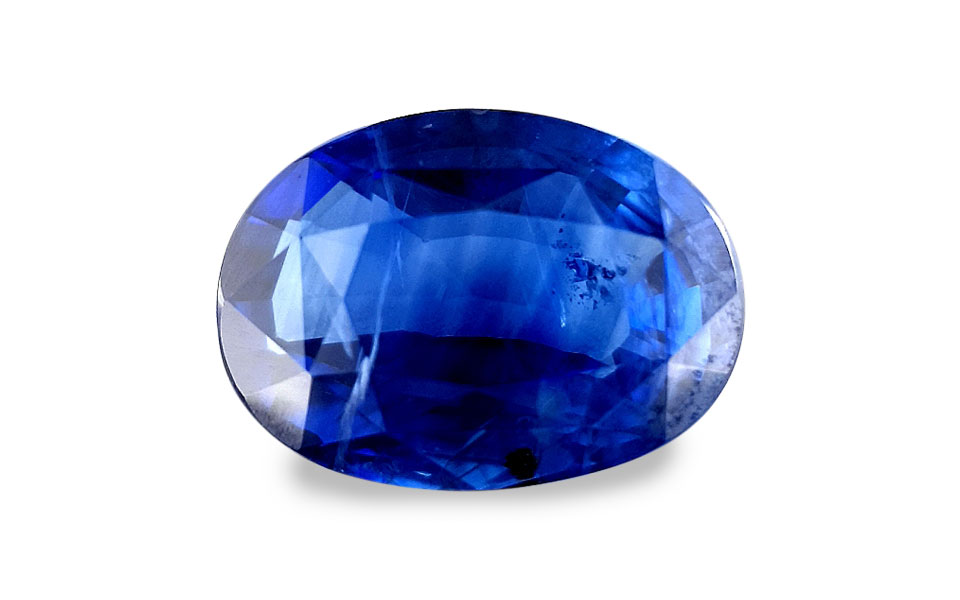
Blue Sapphire (Neelam) has a deep, captivating color that has made it a favorite in fine jewellery for centuries. Its shades can range from soft cornflower blue to rich royal blue, with the finest stones showing an attractive balance of color, brightness, and clarity.
Its rich blue color gives the ring a strong identity without making the design feel too flashy. A blue sapphire can look equally at home in a simple solitaire, a diamond halo, or a classic three-stone setting.
Why Blue Sapphire Stands Out for Engagement Rings
- Mohs hardness of 9 makes it suitable for everyday wear.
- Excellent scratch resistance helps the stone maintain its polish over time.
- The rich blue color gives an engagement ring a distinctive and elegant appearance.
- Works with different metals, including yellow gold, white gold, rose gold, and platinum.
- Available in several blue tones, from lighter shades to deep royal blue.
- Strong historical and cultural appeal has kept sapphire popular in fine jewellery for generations.
3. Ruby: A Gemstone That Represents Passion
Ruby (Manik) known as “Ratnaraj” in Sanskrit . Manik is recognized for its strong red color, ranging from pinkish red to intense deep red. For centuries, the stone has been connected with love, passion, courage, and devotion.
Ruby belongs to the same corundum family as sapphire and its famous gemstones as a King of precious gemstones.
What Makes Ruby a Strong Engagement Ring Choice?
- Mohs hardness of 9 makes ruby suitable for regular wear.
- Excellent color appeal gives an engagement ring a bold and romantic look.
- Fine rubies can show highly attractive vivid red tones.
- Pairs beautifully with yellow gold, rose gold, white gold, and platinum.
- Its symbolism is closely connected with love, passion, and commitment.
- A ruby ring offers a colorful option without moving too far from the classic appeal of a precious gemstone.
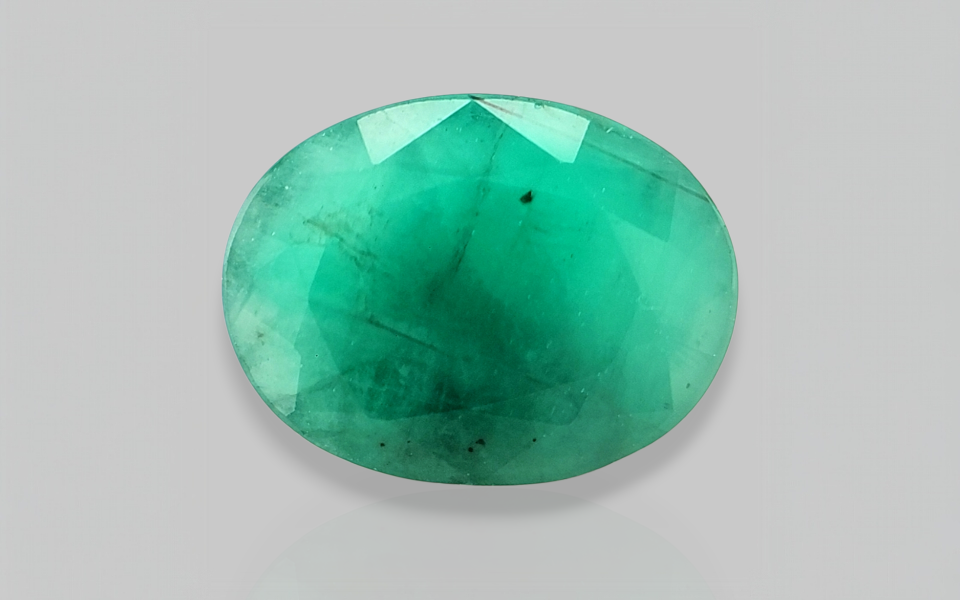
4. Emerald: For Those Who Love Rich Green Color
Emerald (Panna) is instantly recognizable by its green color. The finest stones can show a vivid, saturated green that gives an engagement ring a sophisticated and distinctive appearance.
It is suitable for engagement rings, but its natural inclusions can make it more vulnerable to impact than sapphire or ruby.
Why Consider Emerald for an Engagement Ring?
- The signature green color gives the ring a distinctive appearance.
- A hardness of 7.5–8 provides reasonable durability for regular wear.
- Natural inclusions give many emeralds their individual character.
- Looks especially elegant with yellow gold and platinum.
- Traditionally associated with growth, renewal, harmony, and love.
- Works well in both vintage-inspired and contemporary ring designs.
5. Pink Sapphire: Soft Color with Sapphire Strength
Pink Sapphire brings a softer side to the sapphire family. Its color can range from delicate blush pink to stronger, vivid pink, giving couples plenty of options for a romantic engagement ring.
Why Pink Sapphire Is Worth Considering :
- Mohs hardness of 9 makes it highly suitable for everyday wear.
- Available in pale, medium, and vivid pink shades.
- Offers the durability of sapphire with a softer color palette.
- Complements rose gold, white gold, yellow gold, and platinum.
- Often associated with affection, compassion, and romance.
- Makes a beautiful choice for those looking for colored gemstones for engagement rings.
6. Opal: A Ring with a Colorful Personality
Opal is unlike most gemstones on this list. Instead of having one dominant color, it can show flashes of blue, green, pink, orange, and other shades as light moves across its surface. Its beauty comes with a trade-off.
What Makes Opal Special for an Engagement Ring?
- Play-of-color gives each stone a distinctive appearance.
- Available in several body colors and patterns.
- Its unusual appearance makes the ring feel highly personal.
- Works beautifully with yellow gold, rose gold, and white gold.
- Often connected with creativity, individuality, and imagination.
- Best suited to wearers who are comfortable giving the gemstone extra care.
7. Aquamarine: A Calm Blue for a Modern Ring
Aquamarine is loved for its clear blue to blue-green color. Its lighter appearance gives an engagement ring a fresh and graceful look without the intensity of a darker blue gemstone. It can work well as an engagement-ring stone when the ring is worn with sensible care.
Why Choose Aquamarine?
- Blue to blue-green color gives the ring a light and elegant appearance.
- 7.5 — 8 Mohs hardness offers good everyday durability.
- Often has a clean, transparent appearance when well cut.
- Looks attractive with white gold, platinum, rose gold, and yellow gold.
- Associated with calmness, harmony, and clear communication.
- Provides a refreshing alternative to traditional blue sapphire.
8. Morganite: A Romantic Pink Gemstone
Morganite is known for its soft pink, peach, and rose tones. Its subtle color gives engagement rings a warm and romantic appearance, especially when paired with rose gold.
It is durable enough for engagement jewellery but still deserves care because it is softer than sapphire.
Why Morganite Makes a Beautiful Engagement Ring
- Soft pink and peach tones create a romantic look.
- 7.5–8 Mohs hardness offers reasonable durability.
- Its pastel color works particularly well with rose gold.
- Can also be paired with white gold, yellow gold, and platinum.
- Often associated with love, compassion, and emotional connection.
- Offers a gentle alternative to stronger-colored gemstones.
9. Tanzanite: A Rare Blue-Violet Beauty
Tanzanite is valued for its striking blue to violet color. Depending on the lighting and viewing angle, the stone can show different blue and violet tones, giving it a lively appearance.
What Makes Tanzanite Different?
- The blue-violet color gives it a distinctive appearance.
- Can show different color tones depending on the viewing direction.
- Its unusual color makes it stand apart from more common engagement-ring stones.
- Looks especially striking with white gold and platinum.
- Often associated with transformation, calmness, and new beginnings.
- Best suited to someone who values uniqueness and is willing to take extra care of the ring.
10. Alexandrite: A Gemstone That Changes with the Light
Alexandrite is one of the most unusual choices for an engagement ring because of its famous color-changing effect. Under daylight, it can appear greenish to bluish-green, while warmer indoor light may bring out reddish or purplish tones.
Why Alexandrite Stands Out :
- The color-changing effect gives the gemstone a unique appearance.
- Mohs hardness of around 8.5 makes it suitable for regular wear.
- Can shift between greenish and reddish-purple tones under different lighting.
- Its rarity gives the ring a more individual character.
- Works well with white gold, yellow gold, rose gold, and platinum.
- Often associated with transformation, balance, and good fortune.
How to Select the Right Gemstone for an Engagement Ring?
Start with durability, especially if the ring will be worn every day. Stones such as sapphire and ruby are excellent choices because they offer high hardness and good resistance to scratches and everyday wear.
Next, consider the color and personal style. Think about whether you prefer a classic blue sapphire, romantic pink sapphire, vibrant emerald, warm yellow sapphire, or a more unusual stone such as alexandrite or tanzanite.
Finally, look at the stone’s quality, setting, care needs, and budget. A well-cut gemstone in a secure setting can make a beautiful and practical ring. Certification is also important when buying a valuable gemstone, as it helps confirm the stone’s identity and characteristics.
Which Gemstones Are Not Suitable for Engagement Rings?
An engagement ring is usually worn almost every day, so the gemstone needs to handle regular contact with hands, surfaces, and other jewellery. A stone may look beautiful but still require more care if it has lower hardness or is more sensitive to impact.
Opal and pearl are examples of gemstones that need extra attention. Opal generally falls around 5.5–6.5 on the Mohs scale, while pearl is much softer at around 2.5–4. Both can develop scratches more easily than harder choices such as sapphire or ruby. Their softer nature makes them better suited to occasional-wear jewellery than a ring that is constantly exposed to daily activity.
This does not mean softer gemstones cannot be used in an engagement ring. If you love the look of an opal or another delicate stone, it can still be chosen with a protective setting and careful handling. For a ring intended for everyday wear, though, a harder gemstone is usually the more practical option.
Why Coloured Gemstones Are a Popular Choice Today?
Colored gemstones are becoming a popular choice for couples who want an engagement ring that feels more personal. Instead of choosing a traditional colorless center stone, many people now prefer a gemstone that reflects their favorite color or has a special meaning.
Another reason is the wide range of colors and styles available. Blue sapphire, yellow sapphire, ruby, emerald, and pink sapphire can give a ring a completely different character, while stones such as opal, morganite, aquamarine, and alexandrite offer more unusual looks.
Colored gemstones also give couples more flexibility when creating a ring. The choice of gemstone, metal, cut, and setting can be combined in many ways to create a ring that feels personal rather than following one traditional design.
Why Choose Gemstones for Engagement Rings?
Gemstones give couples a chance to choose an engagement ring that feels more personal than a traditional diamond design. Each stone has its own color, character, and visual appeal, making it easier to select a ring that reflects individual taste and style.
Another advantage is the wide variety of choices available. Blue sapphire, ruby, emerald, yellow sapphire, pink sapphire, aquamarine, and morganite each create a different look. This variety makes gemstones for engagement rings suitable for both classic and modern ring designs.
Gemstones can also offer a practical choice for different budgets and preferences. Couples can select a stone based on its durability, color, rarity, and meaning, then pair it with a suitable metal and setting. With the right gemstone and proper care, a gemstone engagement ring can remain a meaningful piece of jewellery for many years.
Gemstone Durability Comparison for Engagement Rings
Durability is an important factor when choosing a gemstone for an engagement ring. Since the ring is usually worn every day, the stone should be able to handle regular contact without easily getting scratched or damaged.
| Gemstone | Approx. Mohs Hardness | Everyday Wear |
| Yellow Sapphire | 9 | Excellent |
| Blue Sapphire | 9 | Excellent |
| Ruby | 9 | Excellent |
| Pink Sapphire | 9 | Excellent |
| Alexandrite | 8.5 | Very Good |
| Emerald | 7.5–8 | Good with care |
| Aquamarine | 7.5–8 | Good with care |
| Morganite | 7.5–8 | Good with care |
| Tanzanite | 6–7 | Requires care |
| Opal | 5.5–6.5 | Requires extra care |
Where to Buy Certified Gemstone Engagement Rings?
The place you choose to buy an engagement ring matters as much as the gemstone itself. A trusted gemstone seller should provide clear details about the stone’s quality, treatment, weight, origin, and certification.
HTP Gemstones offers natural colored gemstones for different jewellery needs. Buyers can check the gemstone certificate and other quality details before selecting a stone for their engagement ring.
Before you buy, ask about the gemstone’s treatment, origin, quality, and certification, especially for valuable stones such as ruby, blue sapphire, yellow sapphire, and emerald. A reliable seller should explain these details clearly and help you choose a gemstone that suits your ring design, budget, and daily wear.
FAQ
1. Which stone is best for an engagement?
Sapphire, especially blue sapphire, is one of the best choices for an engagement ring because it offers excellent durability, timeless color, and everyday wearability.
2. What stones should not be used for an engagement ring?
Softer gemstones such as opal and pearl are less suitable for daily-wear engagement rings because they can scratch or damage more easily.
3. Which is the luckiest gemstone?
There is no single gemstone considered lucky for everyone. Yellow Sapphire (Pukhraj) is traditionally associated with prosperity, wisdom, and good fortune in many Indian traditions.
4. Who should not wear diamond gemstones?
Diamond suitability is sometimes based on astrological beliefs, where certain gemstones may not be recommended for specific individuals. For an astrological recommendation, it is best to consult a qualified gemstone or astrology expert.
5. What gemstones pair well together?
Sapphire and diamond, ruby and diamond, emerald and diamond, and morganite with diamond are popular combinations. The right pairing depends on color, hardness, and the overall ring design.
Conclusion
A gemstone engagement ring can be a beautiful way to mark a special commitment. Sapphire, ruby, emerald, yellow sapphire, pink sapphire, aquamarine, morganite, tanzanite, opal, and alexandrite each offer a different color, character, and style.
The right choice should match your lifestyle, preferred color, budget, and durability needs. Harder stones such as sapphire and ruby are well suited to regular wear, while softer stones may need extra care and a protective setting.
A certified gemstone from a trusted jeweler can also provide confidence about the stone’s quality and authenticity. With the right choice, your engagement ring can have a look that feels personal and meaningful for years to come.
Need Expert Guidance Before Choosing a Gemstone?
Every gemstone works differently for each person. Our experts help you choose the right stone based on suitability, purpose, and budget.
