


Many people searching for yellow sapphire come across two options that look almost identical at first glance: natural stones and lab-created ones. This similarity often leads to confusion, especially for buyers who are new to gemstones. Without clear information, it becomes difficult to judge what is genuine, what is artificial, and what actually suits the buyer’s purpose.
The topic of natural vs synthetic yellow sapphire is important because these two stones differ in origin, value, and long-term relevance. A natural yellow sapphire forms inside the earth over millions of years, while a synthetic stone is produced in a laboratory within a controlled environment. Although both may appear similar visually, the difference between natural and synthetic yellow sapphire goes far beyond appearance. This guide explains those differences in a simple, practical way to help buyers make a clear and confident choice. between natural and synthetic yellow sapphires, their benefits, and where to buy an authentic Pukhraj stone.
What Are Sapphires?
Sapphires are precious gemstones made from a mineral called corundum. The same mineral also forms rubies, with the difference being color. When corundum appears in blue, yellow, pink, or other shades, it is classified as sapphire. Yellow sapphire gets its color mainly from trace elements like iron present during its natural formation.
Sapphires are valued for their durability, clarity, and long-lasting appearance. With a hardness of 9 on the Mohs scale, sapphire is one of the hardest gemstones, which makes it suitable for daily wear. This strength is one of the reasons yellow sapphire is commonly used in rings and other jewellery pieces meant for regular use.
Sapphires can form naturally inside the earth over long periods, or they can be created in laboratories using controlled processes. Both types share the same chemical composition, but their origin and formation method create important differences in value, rarity, and usage. Understanding this basic definition makes it easier to compare natural and synthetic yellow sapphire in the sections that follow. 9 on the Mohs hardness scale. This makes them a preferred choice for jewelry, especially rings and pendants.
What Is a Natural Yellow Sapphire?
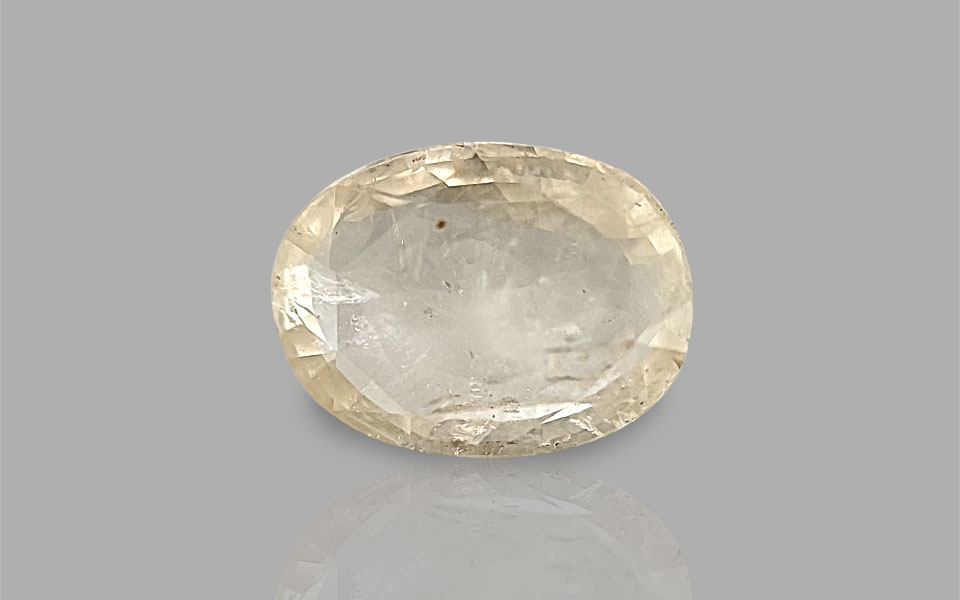
A natural yellow sapphire is a gemstone that forms inside the earth through natural geological processes over millions of years. Heat, pressure, and trace elements present in the earth slowly shape the crystal, giving it its natural yellow colour. Each natural stone develops its own internal characteristics, which makes every piece unique.
Natural pukhraj stone usually contain minor inclusions such as fine lines or fingerprint-like patterns. These features are not flaws but natural signs of formation. In fact, such inclusions often help gemologists confirm that the stone is genuine and not lab-created. Completely flawless stones are rare in nature and usually command much higher prices.
The value of a natural yellow sapphire depends on factors such as colour quality, clarity, size, origin, and treatment status. Stones from well-known sources like Sri Lanka are often preferred due to better clarity and natural appearance. Some natural sapphires remain untreated, while others undergo heat treatment to enhance colour, which is widely accepted when properly disclosed.
Natural yellow sapphire is often chosen for its long-term value, rarity, and traditional significance. Many buyers prefer it for astrological purposes and as a lasting investment, as its value and authenticity remain stable over time when purchased with proper certification.. However, it is crucial to ensure that the gemstone is natural and untreated to gain its full benefits.
What Is a Synthetic Yellow Sapphire?
A synthetic yellow sapphire is a gemstone created in a laboratory using processes that replicate natural conditions. High heat and controlled environments allow scientists to produce a crystal with the same chemical composition as a natural sapphire. Because of this, synthetic yellow sapphires often look very clean and uniform in colour.
Unlike natural stones, synthetic pushkraj stone form within a short period rather than over millions of years. The controlled process results in fewer inclusions and a more consistent appearance. While this can make the stone visually attractive, it also makes it easier for gemologists to identify through testing and certification.
Synthetic yellow sapphires are generally more affordable and widely available. Many people choose them for jewellery where appearance matters more than rarity or long-term value. However, synthetic stones do not hold the same market value or traditional importance as natural yellow sapphire, especially for buyers who seek authenticity or astrological relevance.
Proper disclosure is essential when purchasing a synthetic yellow sapphire. A trustworthy seller will clearly state whether the stone is lab-created and provide certification that identifies its origin. Transparency helps buyers make informed decisions and prevents confusion between natural and synthetic options.
Key Differences Between Natural and Synthetic Yellow Sapphire
The difference between a natural and synthetic yellow sapphire affects value, usage, trust, and long-term satisfaction. Buyers who understand synthetic vs natural yellow sapphire often avoid common mistakes and choose a stone that truly fits their purpose.
Origin and Formation
A natural yellow sapphire forms deep within the earth over millions of years due to natural heat and pressure. This slow geological process creates unique internal features and natural colour variations. Each stone develops differently, which adds to its rarity and individuality.
A synthetic yellow sapphire is created in a laboratory using methods such as flame fusion or hydrothermal growth. These processes replicate natural conditions but complete formation within weeks or months. The artificial origin makes synthetic stones widely available but removes the natural rarity factor.
Color and Inclusions
Natural yellow sapphires usually display slight variations in colour tone, along with natural inclusions such as fine lines or fingerprint patterns. These inclusions help gemologists confirm natural origin and are often expected in genuine stones.
Synthetic yellow sapphires appear more uniform in colour and clarity. The lack of natural inclusions often makes them look visually perfect, but this perfection can also signal laboratory origin. Buyers who prefer authenticity usually accept minor inclusions as a natural trait.
Price and Market Value
Natural yellow sapphire commands a higher price due to limited supply, mining difficulty, and strong demand. Entry-level natural stones may start from around ₹1,000 to ₹5,000 per carat, but these are usually low in clarity or colour. Good-quality natural yellow sapphires with balanced colour and clarity are commonly priced between ₹10,000 and ₹30,000 per carat. Premium stones, especially well-cut Sri Lankan (Ceylon) yellow sapphires, often range from ₹50,000 to ₹1,00,000+ per carat, depending on size and certification. High-quality natural stones often retain value and may appreciate over time when properly documented.
Synthetic yellow sapphire remains significantly cheaper because production can be scaled in laboratories. Most synthetic stones are priced well below ₹5,000 per carat, even in larger sizes. Prices remain relatively stable regardless of carat weight, as availability is not limited. This affordability makes synthetic yellow sapphire suitable for budget jewellery or design use, but it does not hold long-term value in the gemstone market.
Certification and Disclosure
Certification for natural yellow sapphire confirms origin, treatment status, and basic quality parameters. Reputed laboratories clearly state whether heat treatment is present or if the stone shows no evidence of treatment.
Certification for synthetic yellow sapphire identifies the stone as laboratory-created. Transparent disclosure is essential because visual inspection alone cannot always reveal origin. A proper certificate protects buyers from misrepresentation.
Astrological Significance
Natural yellow sapphire holds strong traditional and astrological importance. Many astrologers recommend only natural stones for Jupiter-related remedies due to their natural formation and historical use.
Synthetic yellow sapphire is generally not recommended for astrological purposes. Most buyers choose it for fashion jewellery, design pieces, or aesthetic use rather than planetary remedies.
Long-term Use and Buyer Preference
Natural yellow sapphire appeals to buyers who value authenticity, tradition, and long-term relevance. Many collectors and serious buyers consider it a meaningful investment.
Synthetic yellow sapphire suits buyers who prioritise appearance and affordability over origin. Jewellery designers and casual users often select synthetic stones when astrological or investment value is not a concern.
| Feature | Natural Yellow Sapphire | Synthetic Yellow Sapphire |
|---|---|---|
| Origin | Forms naturally inside the earth over millions of years | Created in laboratories under controlled conditions |
| Formation Time | Slow natural geological process | Produced within weeks or months |
| Colour Appearance | Natural depth with slight colour variations | Uniform and consistent colour |
| Inclusions | Natural inclusions are common and expected | Very few or no inclusions |
| Price Range | ₹10,000 to ₹1,00,000+ per carat (quality dependent) | Usually below ₹5,000 per carat |
| Certification | Certified as natural with treatment details | Certified as laboratory-created |
| Astrological Use | Traditionally recommended | Generally not recommended |
| Long-Term Value | May retain or increase value over time | No resale or investment value |
| Best For | Astrology, long-term wear, collectors | Fashion jewellery and budget use |
Gemstone weights are often quoted in different units. Use our converter to switch between carat and ratti instantly and avoid costly mistakes.
Natural vs Synthetic Pukhraj – Which one Should You Buy?
If you want a yellow sapphire for astrology, long-term use, or peace of mind, a natural yellow sapphire is the better choice. Natural stones are trusted, widely accepted, and hold value over time. People usually choose them when they want something genuine and meaningful rather than just good-looking.
A synthetic yellow sapphire makes sense when the main goal is appearance and budget. These stones look clean and bright but cost much less. Many people buy them for jewellery, fashion, or temporary use, especially when astrology or resale value is not important.
The decision becomes easy once you are clear about your purpose. A natural yellow sapphire suits buyers who want authenticity and long-term satisfaction. A synthetic yellow sapphire suits those who want an affordable option that looks good but does not need to last forever.
Benefits of Wearing Natural Yellow Sapphire
The benefits of wearing natural yellow sapphire come from its authenticity and natural formation. A genuine stone is widely preferred for astrology, long-term use, and personal confidence. Many people choose natural yellow sapphire because it is traditionally associated with clarity of thought, stability, and positive growth linked to Jupiter’s influence.
Natural yellow sapphire also offers better long-term value and peace of mind. A certified natural stone retains its worth over time and remains suitable for daily wear due to its strength and durability. These factors make natural yellow sapphire a trusted choice when compared with synthetic alternatives.
Where to Buy Natural Yellow Sapphire?
Finding a genuine natural yellow sapphire matters just as much as understanding what makes one valuable. Many sellers online and offline offer gemstones, but not all stones are authentic or fairly priced. The safest approach is to choose a seller who provides verified certification, honest product descriptions, and clear answers to your questions.
A trusted source for natural yellow sapphire is HTP Gemstones. We focus on certified gemstones and make it easy for buyers to know exactly what they are paying for. At HTP Gemstones you can find detailed reports from reputable gemological laboratories, which confirm whether a yellow sapphire is natural and explain any treatments it may have undergone.
Buying from a reputable gemstone shop like HTP Gemstones reduces the risk of misrepresentation or disappointment. You can purchase genuine natural yellow sapphire online from our catalog, and you’ll have access to quality information, real certification, and support throughout the buying process. Whether you’re choosing a stone for jewellery, astrology, or long-term value, a clear and trusted buying experience makes all the difference.
FAQ
1. How can I identify a natural yellow sapphire?
A natural yellow sapphire has minor inclusions, slight color variations, and comes with a gemological certification. Synthetic yellow sapphires are usually flawless and have a uniform color.
2. Is synthetic yellow sapphire good for astrology?
No, synthetic yellow sapphire lacks the natural energies required for astrological benefits. Only a certified natural yellow sapphire is believed to bring prosperity, wisdom, and positive effects.
3. Do natural Pukhraj stones always have inclusions?
Yes, natural Pukhraj stones often contain inclusions, which indicate authenticity. However, high-quality sapphires may have fewer visible inclusions while still being natural.
4. How do I check if my yellow sapphire is treated?
Treated sapphires may have heat enhancements or color diffusion to improve their appearance. A lab certification from a trusted institute will confirm whether the stone has undergone any treatment.
5. Can synthetic yellow sapphire be used for jewellery?
Yes, synthetic yellow sapphire stones can be used for jewellery due to their affordability and flawless look. However, they do not hold the same rarity or astrological significance as natural ones.
Conclusion
A clear understanding of natural vs synthetic yellow sapphire helps buyers make confident and informed decisions. Although both stones may look similar on the surface, their origin, value, and purpose set them apart. Awareness of the difference between natural and synthetic yellow sapphire reduces confusion and prevents costly mistakes during purchase.
A natural yellow sapphire suits buyers who value authenticity, long-term relevance, and traditional acceptance. A synthetic yellow sapphire works better for those who prioritise appearance and affordability. The right choice depends on personal purpose, expectations, and trust in the seller. Proper knowledge ensures satisfaction long after the gemstone is purchased.
Need Expert Guidance Before Choosing a Gemstone?
Every gemstone works differently for each person. Our experts help you choose the right stone based on suitability, purpose, and budget.
