


Buying a yellow sapphire is not a decision most people make casually. The stone is expensive, quality varies widely, and not every yellow sapphire available in the market is genuine or suitable. Many buyers focus only on color or price and later realize the stone does not work as expected. This is where a clear yellow sapphire buying guide becomes important.
There are several things to know before buying yellow sapphire, such as how to check if the stone is natural, what really affects its price, and whether it is right for the wearer in the first place. Understanding these points helps avoid common mistakes and unnecessary expenses. This guide is written to help you approach buying yellow sapphire with clarity, not confusion.
Why Buying Yellow Sapphire Requires Caution?
Yellow sapphire is one of the most commonly misrepresented gemstones in the market. Many stones sold as Pukhraj are either heavily treated, synthetic, or incorrectly priced, which makes buying without proper knowledge risky. Color alone does not determine quality, and a bright-looking stone can still be low in value or unsuitable for long-term wear. This is why understanding a few tips before buying yellow sapphire can help avoid costly mistakes.
Another reason caution is important is astrological suitability. Yellow sapphire does not work the same way for everyone, and wearing it without checking compatibility may lead to unsatisfactory results. In addition, prices can vary widely based on origin, clarity, and treatment, which often confuses first-time buyers. Taking time to understand these factors ensures the stone you choose is genuine, suitable, and worth the investment.
How to Identify a Natural Yellow Sapphire?
A natural yellow sapphire cannot be judged by color alone. Many stones look similar at first glance but differ significantly in authenticity and quality. One of the most important yellow sapphire buying tips is to confirm whether the stone is natural, treated, or synthetic. Natural yellow sapphires usually show minor inclusions, while stones that appear overly perfect at low prices often deserve closer scrutiny.
A certification report plays a crucial role in verification. A reliable laboratory certificate clearly states whether the stone is natural and mentions any treatments applied. This is why it is always safer to buy certified Pukhraj stone instead of relying only on verbal claims. The certificate should include details such as origin, treatment status, and basic quality parameters.
Price is another strong indicator of authenticity. Natural yellow sapphire is rarely inexpensive, especially in higher carat sizes. An unusually low price often signals heavy treatment or imitation. Careful attention to transparency, clarity, and overall finish helps further confirm whether the stone is genuine and suitable for long-term wear.
Factors That Affect Yellow Sapphire Price
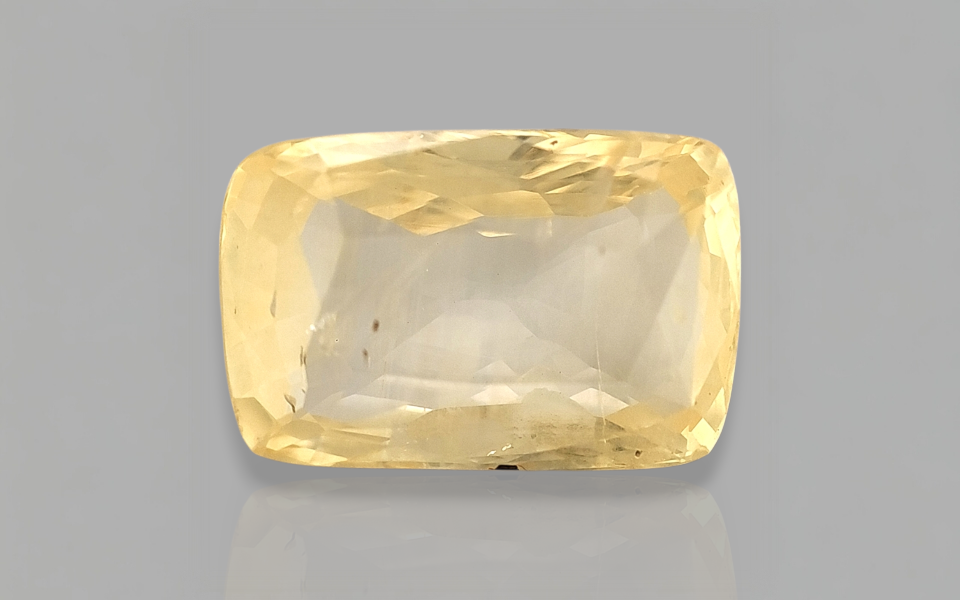
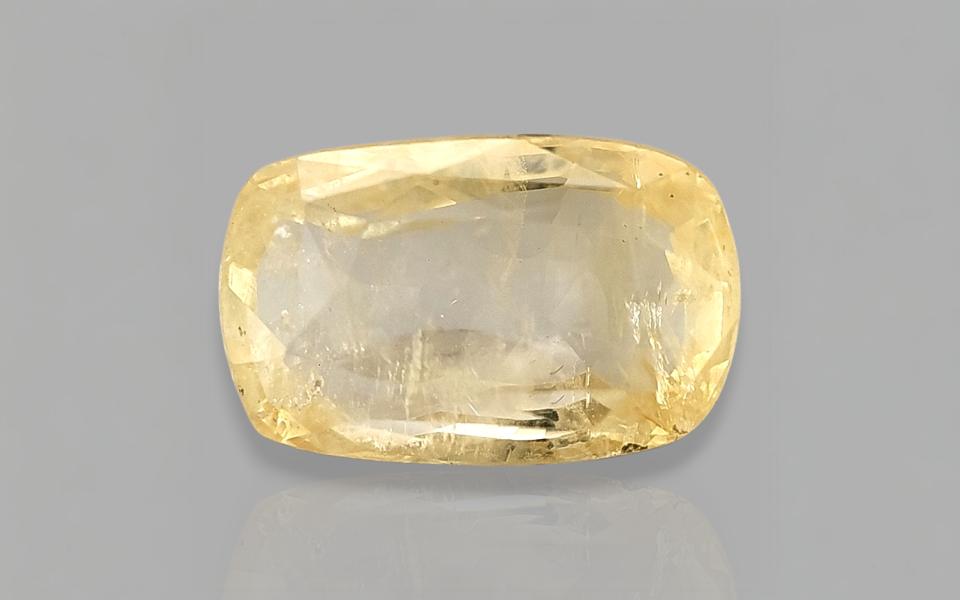
The price of yellow sapphire can vary widely, even between stones that look similar at first glance. One of the main factors is color. Stones with a rich, bright yellow tone and good transparency are priced higher than pale or dull-looking ones. Extremely dark or overly light stones usually fall on the lower end of the price range.
Clarity also plays an important role. Natural yellow sapphires often have minor inclusions, which are acceptable and expected. Stones with fewer visible inclusions are rarer and therefore more expensive. However, a completely flawless stone should be examined carefully, as it may indicate heavy treatment or synthetic origin.
Carat weight directly affects price, but not in a linear way. As the size increases, high-quality yellow sapphires become much rarer, which causes the price per carat to rise sharply. A clean, well-colored stone in a higher carat weight can cost significantly more than a smaller one of similar quality.
Origin and treatment also influence value. Yellow sapphires from reputed sources, especially untreated stones, are priced higher. Heat-treated stones are common and accepted in the market, but untreated stones generally command a premium. Certification confirming these details adds further credibility and affects pricing.
Understanding these factors helps buyers judge whether a yellow sapphire is fairly priced and worth the investment, rather than relying only on appearance or discounts.
12 Things to Know Before Buying Yellow Sapphire
Buying a yellow sapphire involves multiple layers of decision-making. The stone’s appearance is only one part of the picture. Long-term value, suitability, and authenticity depend on several deeper factors that buyers often overlook.
Natural vs Synthetic Yellow Sapphire
Many buyers assume that every yellow sapphire available in the market is natural, which is not true. Synthetic sapphires are created in laboratories and can look extremely clean, bright, and visually appealing. These stones are often sold at lower prices and may even be misrepresented as natural. A natural yellow sapphire forms over millions of years, while a synthetic one does not carry the same value, rarity, or purpose. Confirmation of natural origin should always come before considering colour, size, or price.
Treatment Disclosure Is Critical
Most yellow sapphires available today are heat treated, which is an accepted industry practice. Heat treatment improves colour and reduces visible inclusions, making the stone more presentable. Problems arise when treatment details are hidden or misrepresented. Untreated stones are rarer and usually priced higher, while heavily enhanced stones may lose value over time. Clear disclosure allows buyers to judge whether the price matches the stone’s actual condition.
Colour Consistency Matters More Than Shade
A slightly lighter yellow sapphire with even colour distribution often holds more value than a darker stone with uneven patches. Colour zoning, dull areas, or greenish and brownish overtones reduce quality. A good stone shows a clean yellow tone that looks balanced under normal lighting conditions. Colour should appear natural rather than overly intense or artificial.
Transparency and Light Performance
Transparency affects how lively a yellow sapphire looks when worn. Stones that allow light to pass through evenly appear brighter and more attractive. Cloudy or hazy stones often indicate heavy inclusions or poor crystal structure. Light performance also influences resale value, as transparent stones remain visually appealing over time.
Clarity Should Look Natural
Inclusions are a normal feature of natural yellow sapphire. Fine needle marks, fingerprint patterns, or small internal features are common. Stones that appear perfectly flawless, especially at lower prices, require careful verification. Natural clarity patterns help distinguish genuine stones from synthetic or heavily treated ones. Balance matters more than perfection.
Cut Should Balance Beauty and Comfort
A good cut improves brilliance and ensures the stone sits comfortably when set in jewellery. Poorly cut stones may look flat, dark, or uneven, even if the colour is good. Sharp edges, shallow cuts, or overly deep cuts reduce both beauty and wearability. A well-proportioned cut allows the stone to reflect light evenly while remaining practical for daily use.
Origin Should Match Your Purpose
Sri Lankan yellow sapphires are widely respected for clarity and natural appearance, while Thailand-origin stones are more affordable and commonly heat treated. Each origin serves a different purpose. Buyers seeking premium quality often prefer Sri Lankan stones, while those focused on budget may choose Thailand stones. The key is alignment between origin, expectations, and price.
Weight Should Be Chosen Carefully
Carat or ratti weight directly affects price and suitability. Larger stones cost significantly more, especially in higher quality grades. A heavier stone is not automatically better. The right weight depends on personal factors and purpose. Buying excess weight without guidance often leads to unnecessary expense without added benefit.
Certification Protects Your Investment
A laboratory certificate confirms whether the stone is natural and discloses treatment details. It also provides assurance for future resale, exchange, or valuation. Certificates should come from recognized gemological laboratories and should be verifiable online. Lack of certification increases the risk of misinformation and mispricing.
Seller Credibility Matters as Much as the Stone
Even a genuine stone can become a poor purchase if the seller lacks transparency. Clear communication, honest explanations, and proper documentation indicate reliability. Sellers who avoid direct answers or rely only on visual appeal should be approached cautiously. Trust in the seller plays a major role in overall buying confidence.
Return and Exchange Policies Provide Safety
Astrological gemstones may not suit everyone. A fair return or exchange policy protects buyers if the stone does not meet expectations. This is especially important for high-value purchases. Flexible policies also allow adjustments if requirements change in the future.
Purpose Should Guide Every Decision
Some buyers look for astrological support, others focus on jewellery value, and some view yellow sapphire as a long-term asset. Each purpose requires a different quality level and budget. Clear intent helps prevent overspending or selecting a stone that does not align with personal needs.
Gemstone weights are often quoted in different units. Use our converter to switch between carat and ratti instantly and avoid costly mistakes.
Where to Buy Genuine Yellow Sapphire?
The search for a genuine yellow sapphire often proves more difficult than expected. The market contains many look-alike stones, unclear treatment disclosures, and misleading claims that confuse buyers. This challenge increases when people buy gemstone online, where physical inspection is not possible and trust becomes the most important factor.
A dependable certified gemstone seller clearly states whether a yellow sapphire is natural, mentions all treatments, and provides a verifiable laboratory certificate. A reliable gemstone shop focuses on educating the buyer rather than pushing a quick sale. HTP Gemstones follows this approach by offering certified stones with proper disclosure and practical guidance, helping buyers understand quality, pricing, and suitability before making a decision. Choosing such a seller reduces risk and ensures the gemstone received matches its description and value.
FAQ
1. How can I confirm a yellow sapphire is natural?
A lab report from a recognized gemological institute is the most reliable way. The report should state whether the sapphire is natural and disclose any detected treatments.
2. What treatments should buyers watch out for in yellow sapphire?
Buyers should be careful with diffusion treatments (including beryllium diffusion) and any fracture-filling (such as lead-glass filling) because these can significantly change the stone and its value.
3. What should a good certificate/report clearly mention?
A good report should clearly state if there are indications of heating (or other treatment), and it should be verifiable with the issuing lab’s database or verification method.
4. Is yellow sapphire durable for daily wear?
Yes. Sapphire (corundum) is known for durability and is commonly used in jewelry for regular wear.
5.What is the safest buying approach for a first-time buyer?
A safe approach includes buying from a seller who provides a verifiable lab certificate, discloses treatment clearly, and explains why the stone is priced the way it is. Independent lab confirmation is a strong safeguard.
6.How do I check if Pukhraj suits me?
Consult a certified astrologer to match your zodiac sign and planet placement. Pukhraj is generally recommended for those influenced by Jupiter.
Conclusion
Buying a gemstone like yellow sapphire requires careful thought, not quick decisions. This yellow sapphire buying guide is meant to help buyers understand what really matters before making a purchase, from authenticity and quality to suitability and pricing. A clear approach reduces confusion and protects you from costly mistakes.
The things to know before buying yellow sapphire are often overlooked, but they play a major role in long-term satisfaction. Paying attention to certification, treatment details, seller credibility, and personal purpose helps ensure the stone meets your expectations. These are practical tips to know that allow you to invest with confidence and clarity rather than guesswork.
Need Expert Guidance Before Choosing a Gemstone?
Every gemstone works differently for each person. Our experts help you choose the right stone based on suitability, purpose, and budget.
